At first glance, the summer may seem like the perfect time to go hiking. Summertime in most climates means clear and sunny skies, warmer weather, and longer days. The picture-perfect weather can make the hiking trails feel very enticing. The longer days in the summer mean you have more daylight to enjoy outdoor activities. And, on top of that, hiking is a lot of fun and it’s good for you, too. But before you put on your hiking boots, there are a few things you should keep in mind.
The following tips will help you plan ahead, take care of your body, and stay safe while hiking in the heat.
Plan Ahead
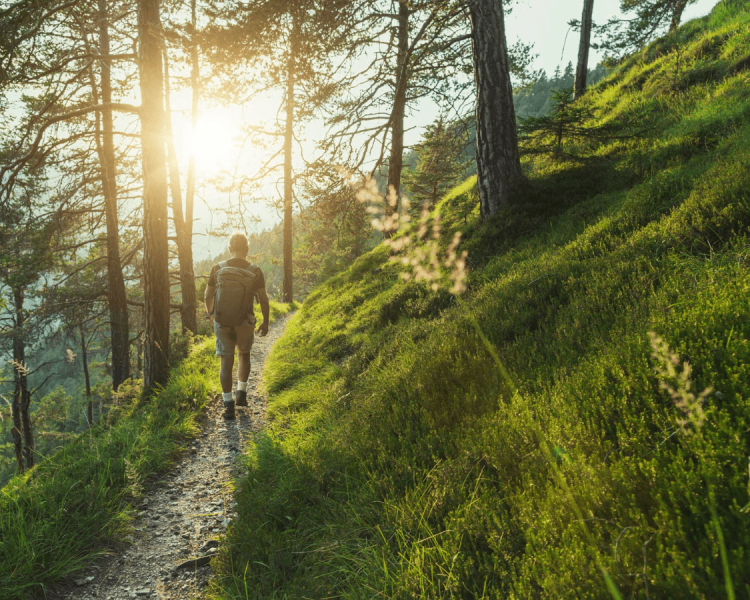
Choose a hiking trail with lots of shade.
Avoid hiking during the hottest part of the day.
Check the weather before you go.
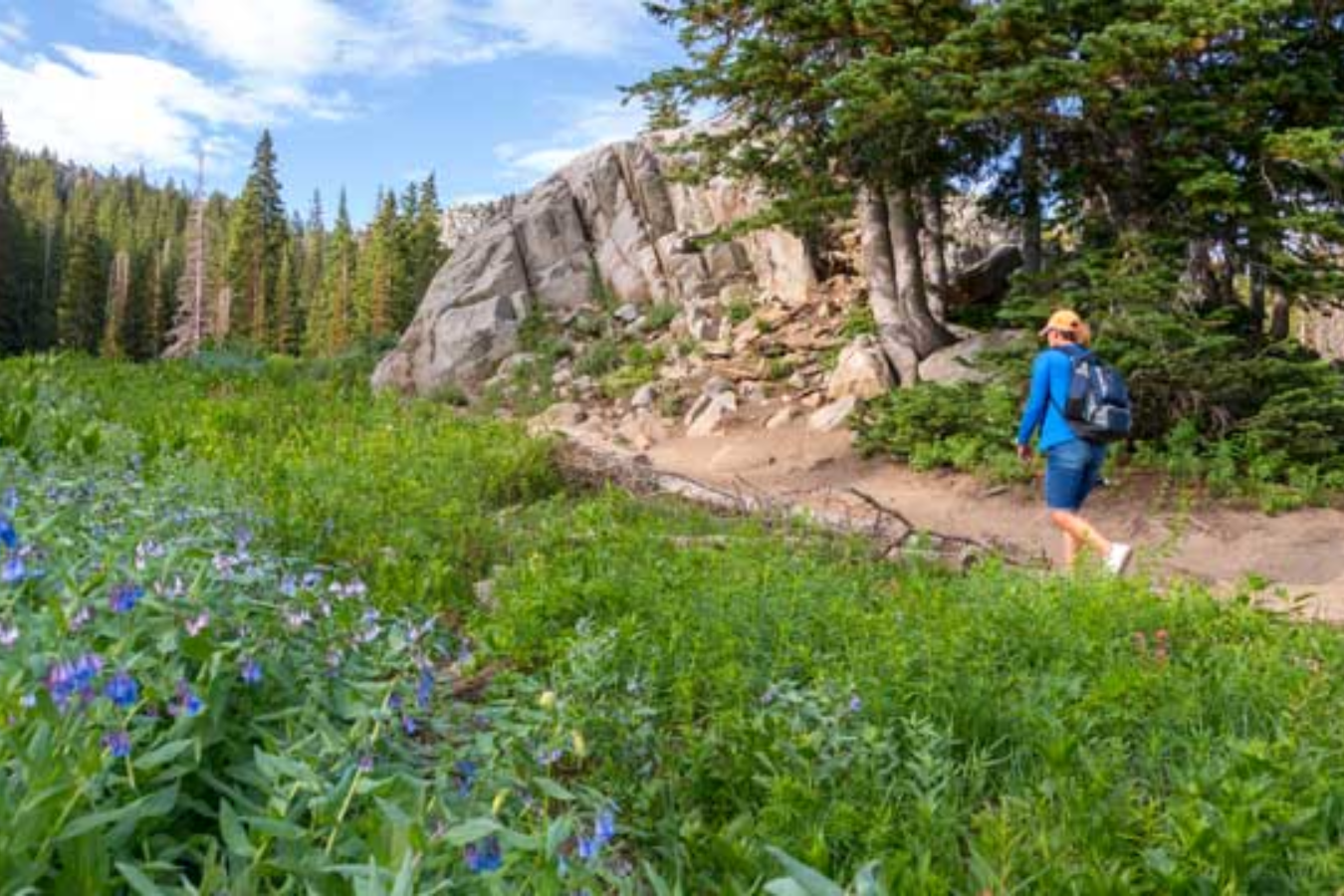
Choosing a hike in direct sunlight will increase your chances of heat stroke and sunburn. When planning your hike, be sure to pick a trail that is surrounded by lots of shade. Avoid hiking in the middle of the day. Be sure to leave early in the morning or pick a trail that is open at night. Avoid being on the trial between noon and 3 pm. And be sure to check the weather before you go. In the summer intense heat and sudden monsoons are a common occurrence. You don’t want to be stuck outdoors during a summer storm.
Take Care of Your Body
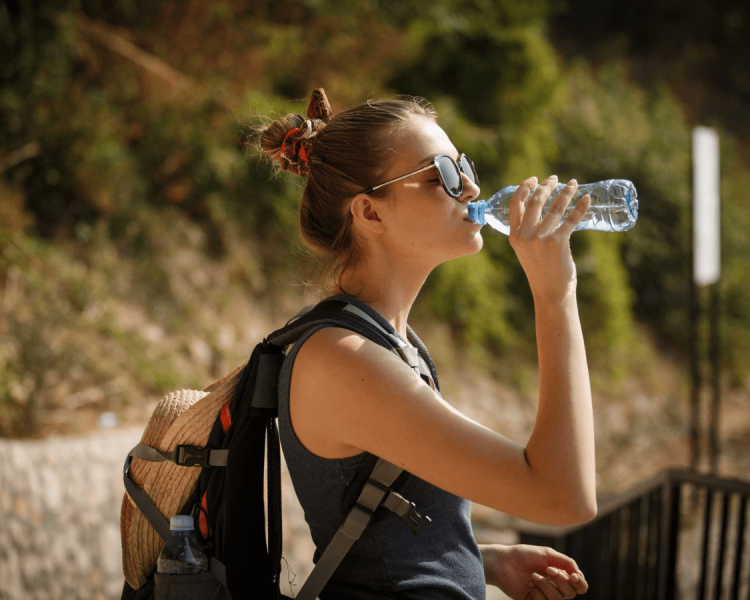
Stay hydrated.
Rebalance those electrolytes.
Wear the right clothing.
Protect your skin.
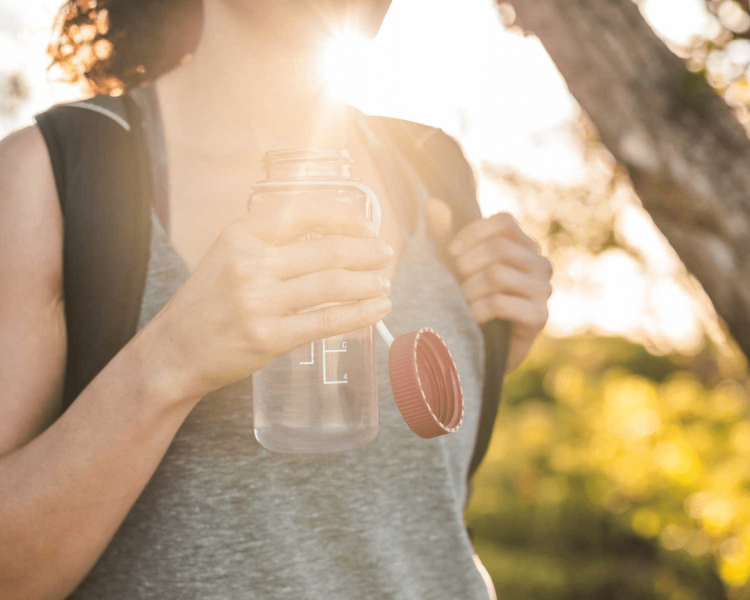
Hydration is always important, but it’s especially important on a hot hike. When hiking in the heat you can lose more than two liters of water per hour through your sweat. Which is why its also super important to rebalance those electrolytes. In addition to water, it is also a good idea to bring a sports drink or electrolyte powder with you.
You’ll want to bring snacks to keep your energy levels high, so be sure to pack snacks that are salty and have carbs of the complex variety, like nuts or trail mix. The salt will help restore sodium levels in your bloodstream and the complex carbs will be easier on your stomach and give you a longer energy boost than sugary snacks.
Hiking in the summer means you’re hiking with more direct sunlight. While your first impulse may be to wear a tank top and shorts, you’ll be much happier in the long run if you dress in loose sleeves and pants. Put sun block on any skin that sticks out and don’t forget your UV-protective sunglasses! If you’re going on an early morning or evening hike, beware of the bugs. Be sure to pack your bug spray before you head out.
Hydration is always important, but it’s especially important on a hot hike. When hiking in the heat you can lose more than two liters of water per hour through your sweat. Which is why its also super important to rebalance those electrolytes. In addition to water, it is also a good idea to bring a sports drink or electrolyte powder with you.
You’ll want to bring snacks to keep your energy levels high, so be sure to pack snacks that are salty and have carbs of the complex variety, like nuts or trail mix. The salt will help restore sodium levels in your bloodstream and the complex carbs will be easier on your stomach and give you a longer energy boost than sugary snacks.
Hiking in the summer means you’re hiking with more direct sunlight. While your first impulse may be to wear a tank top and shorts, you’ll be much happier in the long run if you dress in loose sleeves and pants. Put sun block on any skin that sticks out and don’t forget your UV-protective sunglasses! If you’re going on an early morning or evening hike, beware of the bugs. Be sure to pack your bug spray before you head out.
Dizziness
Muscle cramps
Headache
Nausea
Disorientation or confusion
Lack of sweating in the heat
Stay Safe
Know the signs of heat stroke.
Avoid hyponatremia.
Bring a buddy with you.
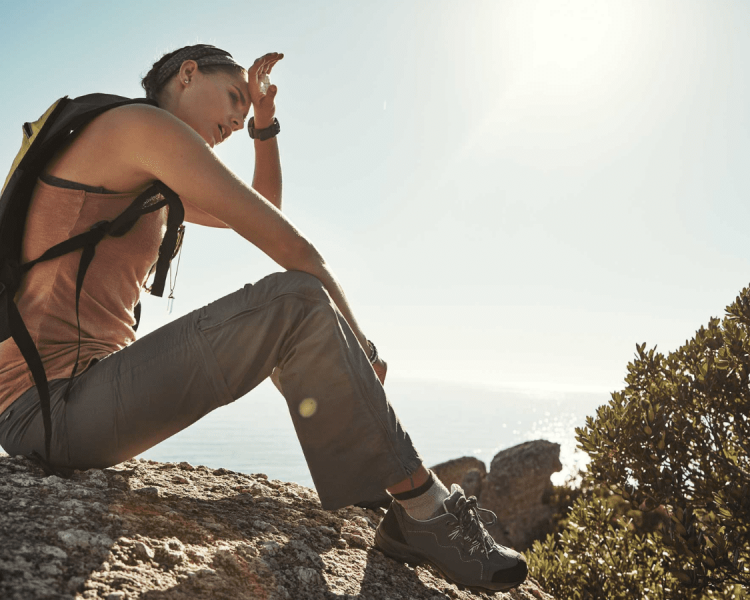
Rangers see a spike in rescues in the summertime and its often due to heat stroke, a condition that can be lethal if not taken care of in time. Know the signs before you go so you can be aware if you or someone in your hiking party is suffering from heat stroke:
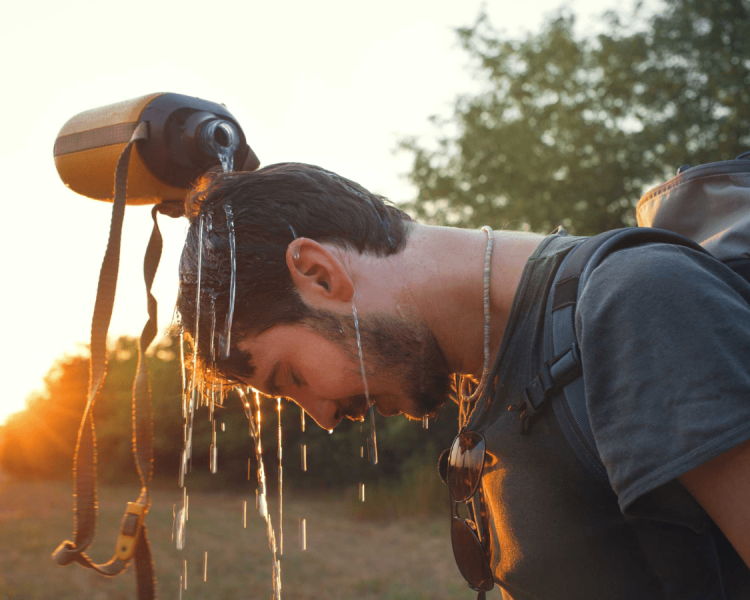
If you think that you or someone in your hiking party is suffering from heat stroke, find shade right away to start cooling down. Make a plan to get off the trail and seek medical attention.
To prevent heat stroke, choose a trail with lots of shade and keep out of the sun as much as possible. Sip plenty of water throughout the duration of your hike, and keep your electrolytes replenished. Don’t be afraid to take a break if you start feeling too hot or exhausted.
While many hikers take precautions against heat stroke, some may forget or not know to look out for hyponatremia. Hyponatremia can occur when hikers drink too much water without replenishing the electrolytes. Most bodies can only absorb about a half-liter of water per hour and drinking too much can cause the blood sodium levels to tumble as sweat pushes salt out of the body.
In extreme cases, hyponatremia can cause seizures. To avoid hyponatremia, make sure to take lots of sips of water periodically throughout your hike, rather than large gulps. And be sure to replenish those electrolytes!
While hiking alone can be a very serene and relaxing activity, summer hiking is not the time practice this. Make sure you bring a buddy with you to help in case of emergency.
While hiking in the heat means a little more planning, a summer’s hike can still be a great activity. We hope these tips will help you stay safe while hiking in the heat this summer. And if you’re hiking in the American Southwest, check out these 10 water oasis hikes to keep you cool in Arizona.