Skip to content

Cold Weather Hiking Tips in the Black Hills

Hiking in cold weather can be a refreshing experience. You get to enjoy the stunning views in the cold, crisp, fresh air and usually don’t have to deal with as many people on the trails! However, it is imperative to observe the right safety measures because chilly temperatures can be dangerous if you’re not prepared. Here are some tips that will make your cold weather hiking more enjoyable:

Clothing and Gear

Dress in Layers

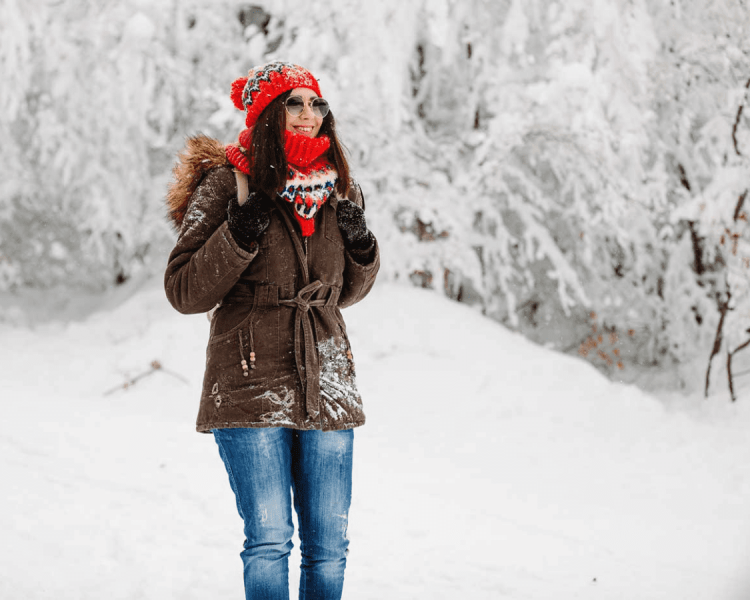
Layering is essential when trekking in cold temperatures. It will keep you warm and dry. Choose layers that will not get you sweaty or inhibit your mobility and flexibility. Sweating while hiking in chilly weather can result in hypothermia, which is a life-threatening condition. Thus, it is imperative to dress in three layers. The first layer is meant to carry off the sweat keeping your skin dry, the middle layer will act as insulation, and the outer layer will guard you against rain, snow, and wind. However, you should strip off a layer or two if temperatures heat up along your journey.

Avoid Cotton Clothing

Do not wear cotton garments while hiking in a cold climate. As you sweat, the cotton will get damp and will keep your skin wet. Thus, ensure your layers are made of synthetic materials. Such garments will move sweat from one layer to the next and are known to regulate temperatures effectively.

Protect Your Skin

Skin is a sensitive organ, and covering it will protect you from frostbite. Ensure you have waterproof gloves designed for cold weather to cover your hands. Also, get a neck gaiter to shield your nose and cheeks. Often overlooked in the winter months, sunscreen should be applied to exposed skin whenever outdoors. Stash some in your backpack to reapply as needed.

Cold Weather Hiking Tips

Take Care of Your Feet

There is nothing worse than having cold, wet feet while hiking. Wear thick wool socks to ensure your feet stay warm on your hike. Make sure the socks fit welland do not hurt your feet when you put on your boots. Always carry an extra pair of socks or two so you can swap them out of your socks get wet. Also, don’t forget snowshoes and hiking poles for deep snow and gaiters to keep your lower legs dry!

Cover Your Head

We’ve all heard that you lose heat through your head. This is true! Wearing a hat will help to maintain your body temperature. If you get too hot, try taking off your hat first before you start shedding other layers. I like to pack a warm headband that covers my ears and will often switch to this once my body gets warmed up from hiking. This protects my ears from the cold wind, but keeps me from overheating.

Wear Sunglasses

If you’ve ever been hiking on a sunny winter day, you know how bright the sun can reflect off the snow. Sunglasses not only help with the glare but will also protect your eyes from the cold wind.

Get a Headlamp

Winter means shorter daytime hours. Being prepared for anything means bringing a headlamp in case your hike takes longer than anticipated. Hiking in the dark without a light is not fun in any season!

Cold Weather Hiking Tips

Carry Enough Batteries

Batteries drain faster in cold temperatures. Therefore, stowing your batteries and other electronic gadgets close to your body will keep them warm, which will ensure they remain charged for longer. Bringing a solar charger or a powerpack is a good idea just in case your batteries drain faster than anticipated.

Keep Your Pack Dry

Keeping your body dry while hiking is important, but you should also take steps to ensure your gear doesn’t get wet. You can either put everything is a plastic bag inside your backpack or use a pack cover to keep things dry.

Carry GPS Device

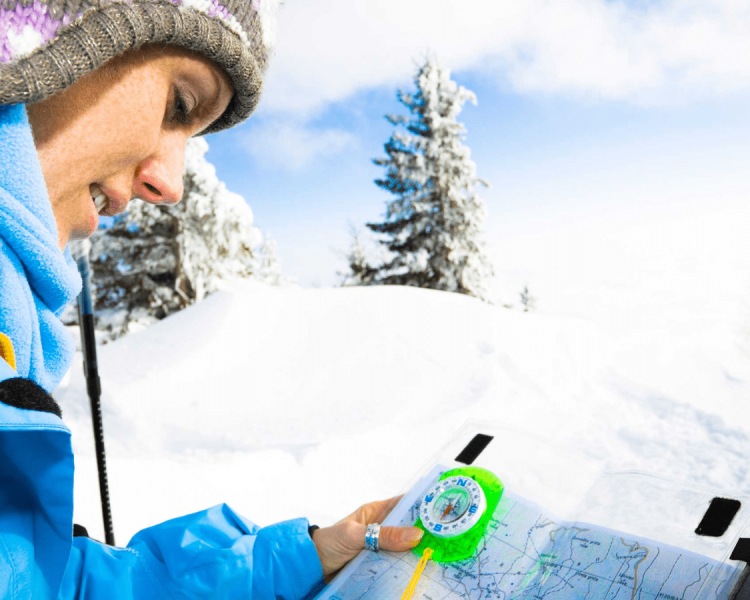
Even a trail that you are very familiar with will appear different in different seasons and especially if covered in snow. Carrying a compass, map and gps device becomes even more important when temperatures are very cold. Being lost when the weather is warm can be scary, but being lost during the winter can be especially dangerous.

First Aid Kit

A first aid kit is a standard requirement for a hiking adventure. Ensure you are prepared in case of an injury. Before you pack your first aid kit, confirm to be sure it has all the essential supplies. Make sure you replace any items that may be missing in your kit.

Cold Weather Hiking Tips

Food and Hydration

Keep Hydrated

You can get dehydrated even in freezing weather. When outside temperatures are cold, your body will lose fluid whenever you exhale. Not to mention the fluids your body loses as sweat. Therefore, ensure you take enough fluids while hiking and never underestimate the importance of hydration on a chilly day. Ensure you have enough drinking water and sip as you walk.

Keep Your Water Warm

Water will freeze if exposed to low temperatures. Ensure you pack your water bottle in an extra layer before putting it in your backpack. This prevents it from getting extremely cold. Moreover, you can put your water bottle inside your jacket as you trek. Your body heat will help retain its warmth.

Fuel Your Body

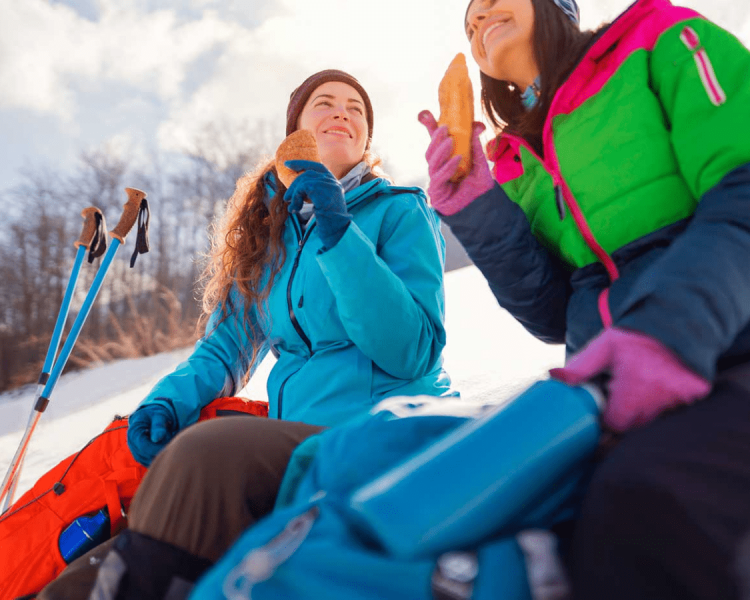
Hiking in snow can be exhausting, and you must ensure your body is strong. Carry high-energy snacks and eat more often. Keeping your body energized will protect you from hypothermia and other ailments. Trail mix, granola bars and beef jerky are some good choices that are easy to throw in your backpack.

Take Short Breaks

Keeping warm as you hike in cold weather is essential for your health and walking will ensure your body gets enough warmth. When you take breaks, keep them shorter to avoid cooling your body. If you have removed layers while hiking, maybe put them back on while you rest to avoid cooling too much.

Cold Weather Hiking Tips

Just Try It!

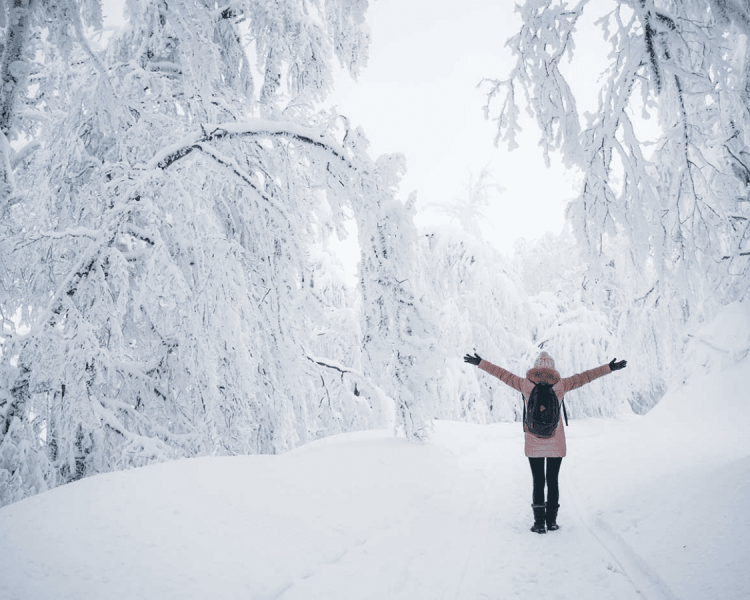
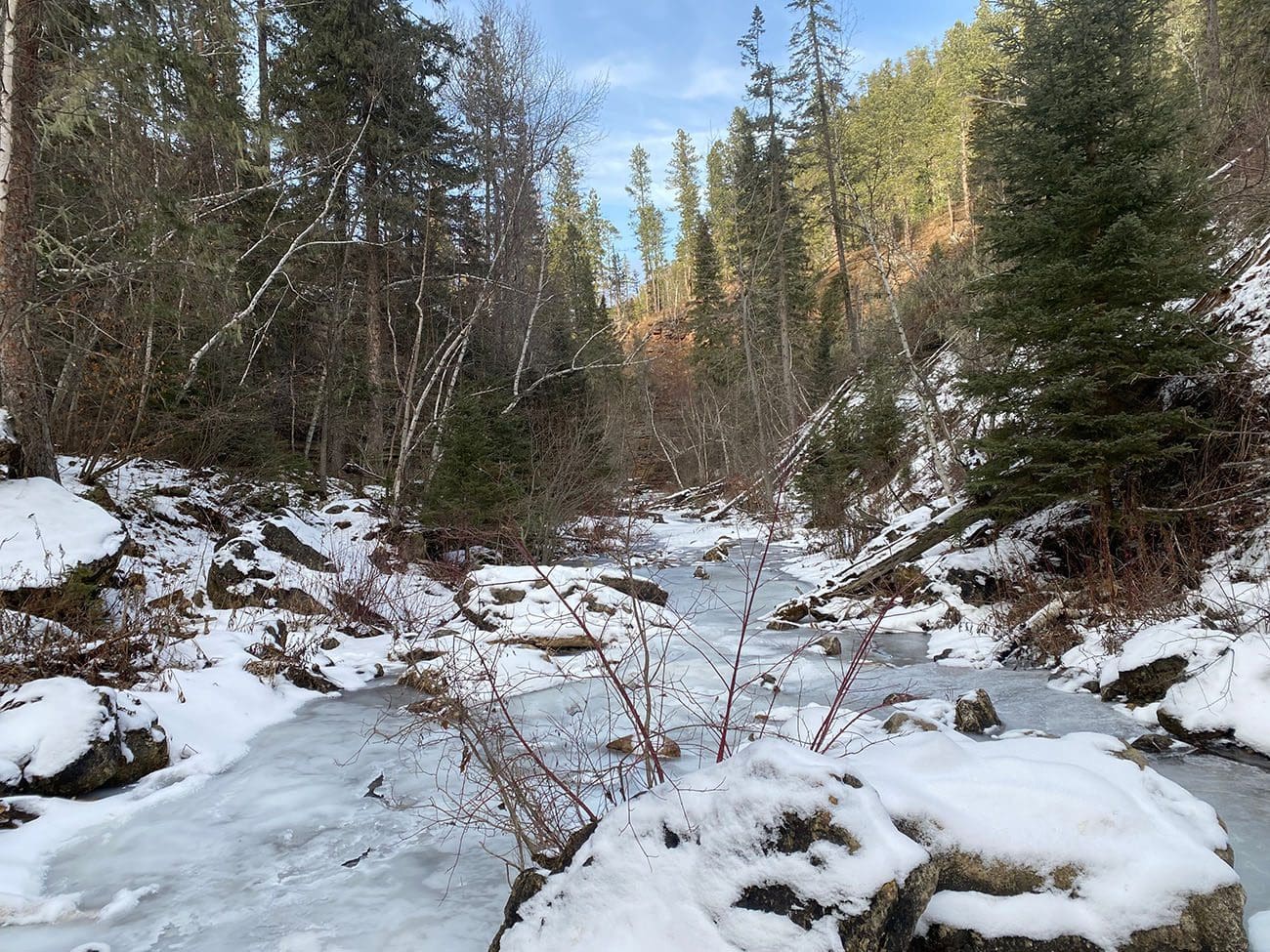
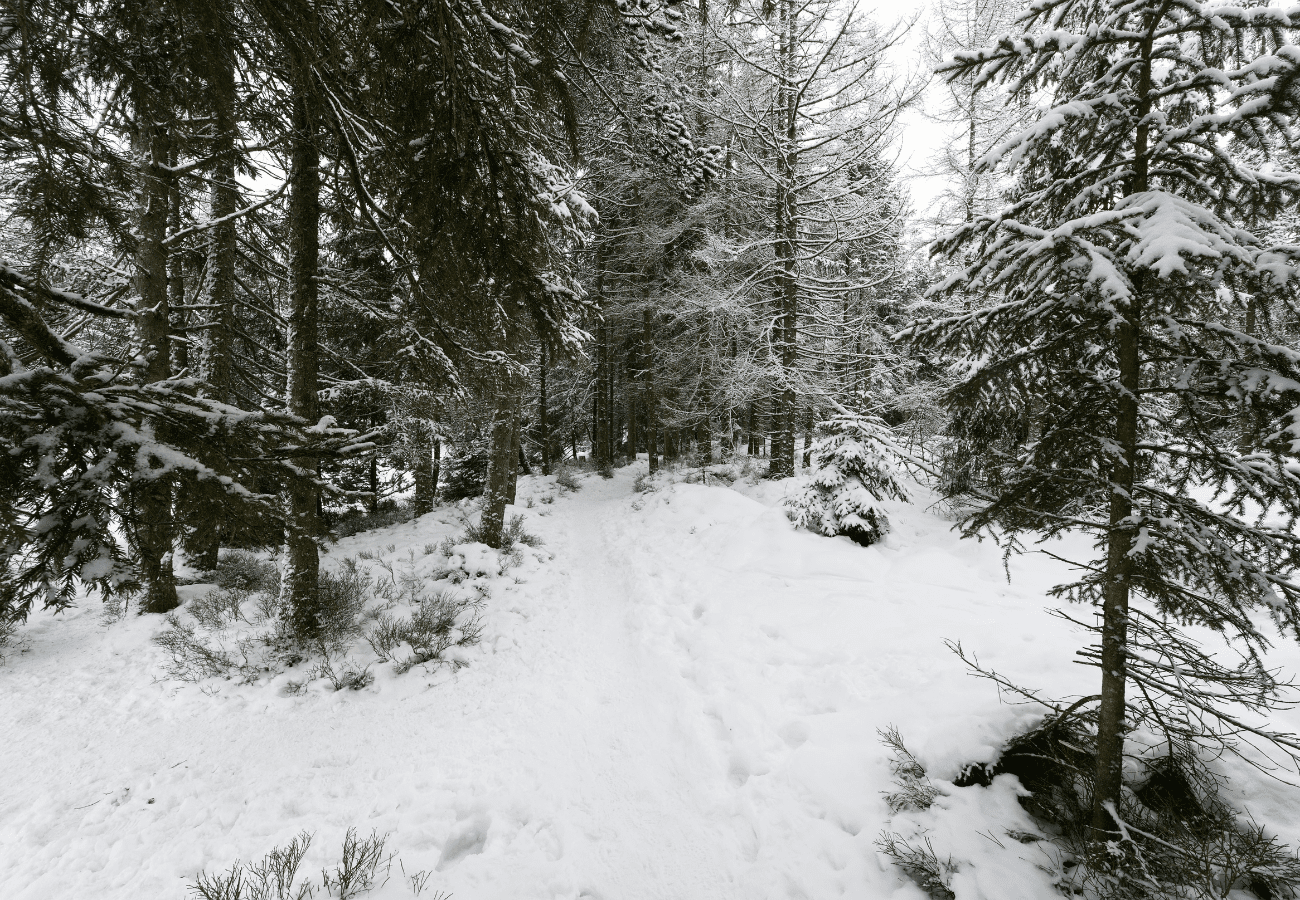
If you’ve never been hiking in the cold and snow, I urge you to give it a try. There is something magical about the forest blanketed in snow that everyone should really experience. You might just find out you like hiking in the winter more than any other season!
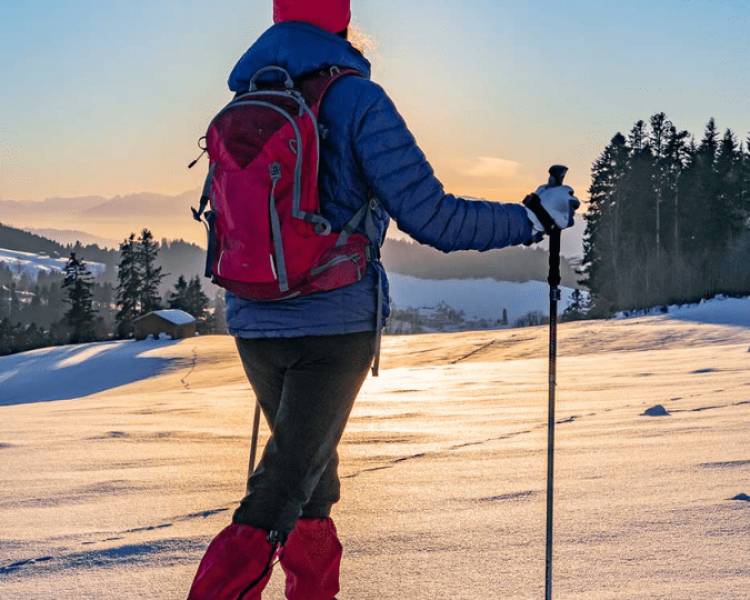
Cold Weather Hiking Tips
Secret Link