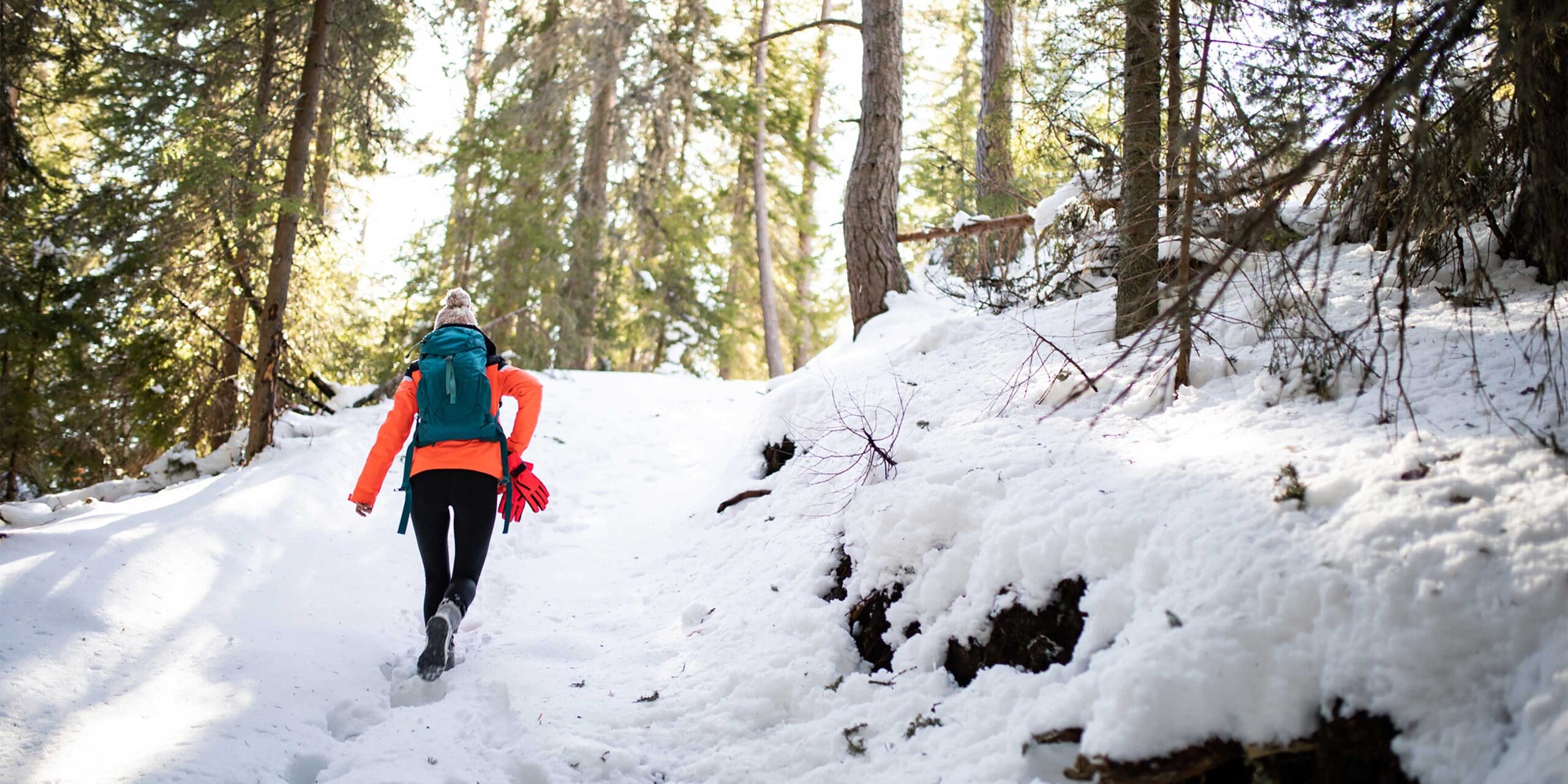
Embrace the Chill: Essential Winter Hiking Tips for Adventure Enthusiasts
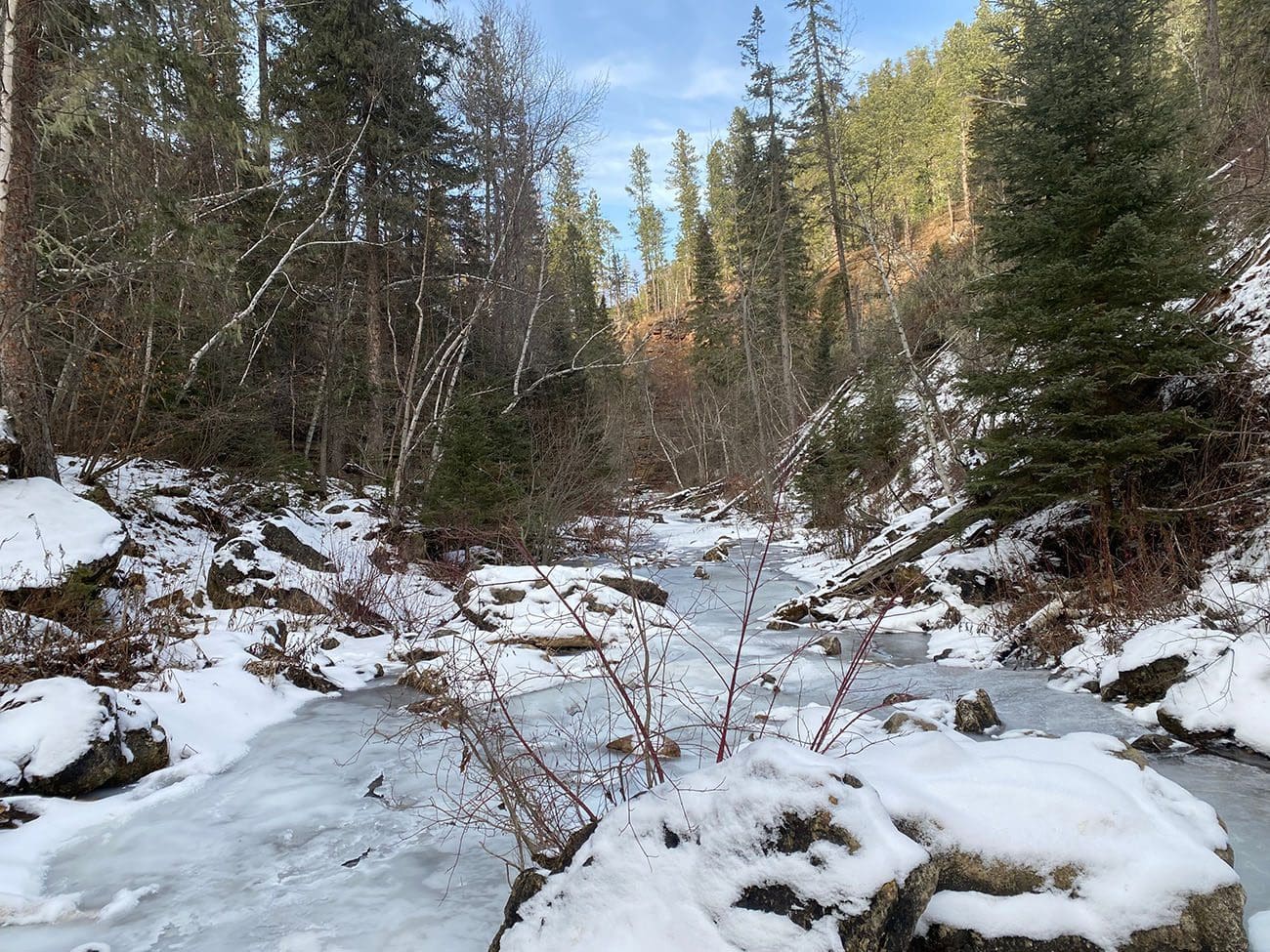
Winter hiking offers a unique and serene experience, with snow-covered landscapes and crisp, refreshing air. While it may seem challenging, with proper preparation and the right mindset, winter hiking can be a truly rewarding adventure. In this article, we’ll explore some essential tips to help you make the most of your winter hiking excursions.
Tip 1:
Layer Up for Comfort and Warmth
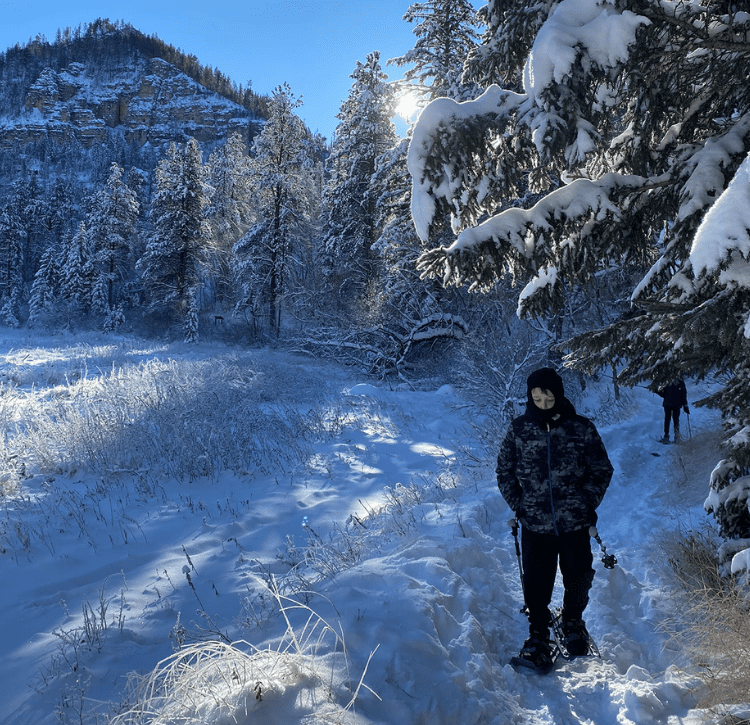
One of the key aspects of winter hiking is staying warm without overheating. Dress in layers to regulate your body temperature. Start with a moisture-wicking base layer to keep sweat away from your skin, add an insulating layer for warmth, and finish with a waterproof and windproof outer layer to protect against the elements.
Tip 2:
Protect Your Extremities
Cold extremities can make your hike uncomfortable. Invest in high-quality waterproof and insulated boots to keep your feet warm and dry. Don’t forget gloves, preferably waterproof and insulated, to shield your hands from the cold. A warm hat is also crucial, as a significant amount of heat is lost through the head.
Tip 3:
Choose the Right Trail
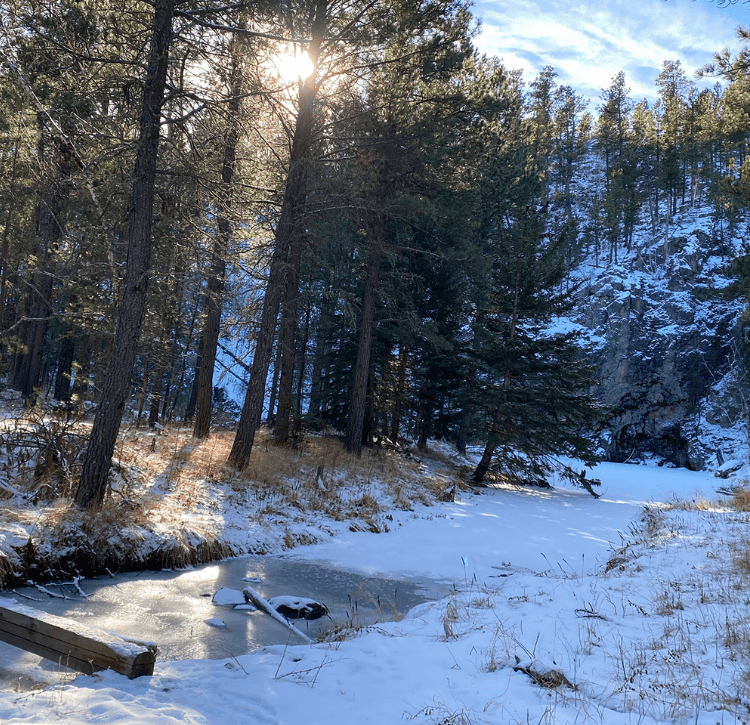
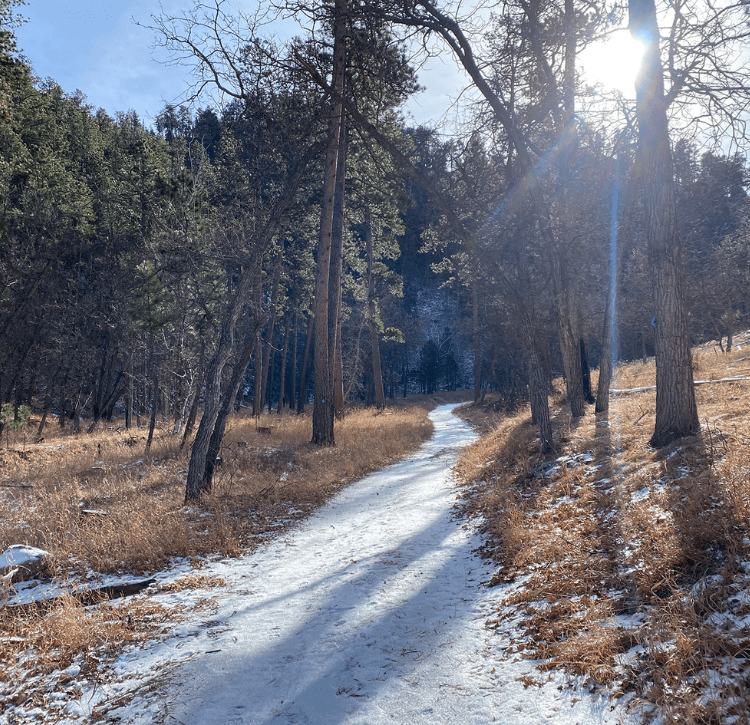
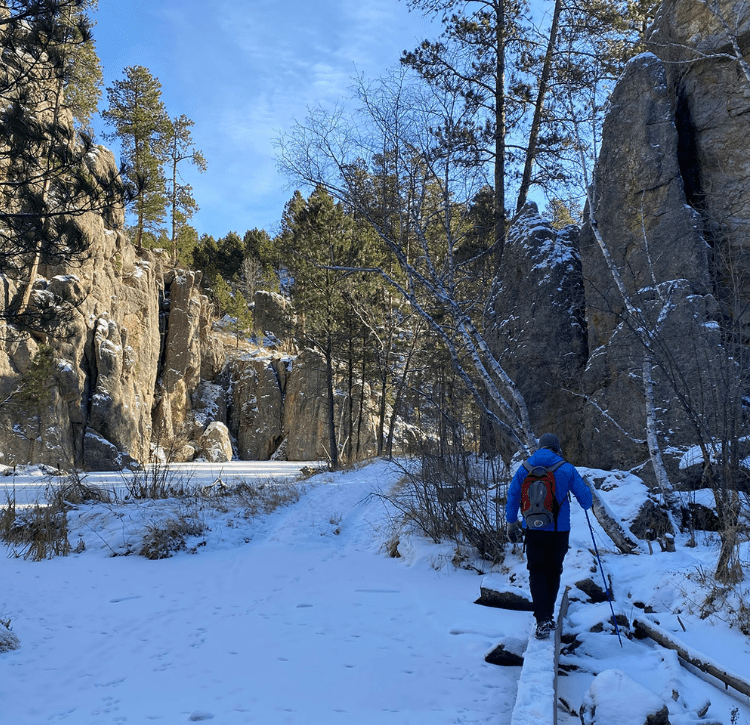
Selecting an appropriate trail is essential for a safe winter hike. Stick to well-marked trails, as snow-covered landscapes can make navigation challenging. Moderate trails are recommended for winter hiking, especially if you’re relatively new to the activity. Research the trail conditions beforehand and check for any potential hazards. Some of our favorites in the Black Hills for winter hiking are: Needles Hwy, Little Elk Creek, and Roughlock Falls.
Tip 4:
Daylight is Your Friend
Winter days are shorter, so plan your hike accordingly. Start early to make the most of daylight hours and avoid getting caught in the dark. It’s crucial to be realistic about the time it takes to complete the hike, considering the slower pace and potential obstacles in winter conditions.
Tip 5:
Carry Essentials
Pack your backpack with winter-specific essentials. In addition to the usual hiking gear, bring extra layers, a map and compass (as electronic devices may lose battery quickly in the cold), high-energy snacks, and a thermos with a warm beverage. It’s always better to be over-prepared in winter conditions.
Tip 6:
Stay Hydrated
Cold weather can mask the sensation of thirst, but it’s crucial to stay hydrated. Carry an insulated water bottle to prevent liquids from freezing. Consider consuming warm beverages like herbal tea or soup to stay warm and hydrated simultaneously.
Tip 7:
Safety First
Winter conditions can pose unique safety challenges. Be aware of potential hazards such as icy patches, snow-covered obstacles, and changing weather conditions. Let someone know about your hiking plans, (where you are going and when you plan to return) and carry a fully charged cell phone in case of emergencies. (Cold temperatures can drain your cell phone battery quicker than normal so carry it close to your body to keep it warmer.)
Tip 8:
Learn Basic Winter Skills
Familiarize yourself with basic winter survival skills. Knowing how to build an emergency shelter, recognizing signs of hypothermia, and understanding how to navigate in snowy conditions are valuable skills that can enhance your safety on a winter hike.
Winter hiking may require additional preparation, but the breathtaking winter landscapes and the sense of accomplishment make it all worthwhile. By following these essential tips, you can embark on a safe and enjoyable winter hiking adventure. So, layer up, pack your essentials, and embrace the winter wonderland on your next hiking expedition.