Trail Etiquette 101: What to Do When Paths Are Muddy
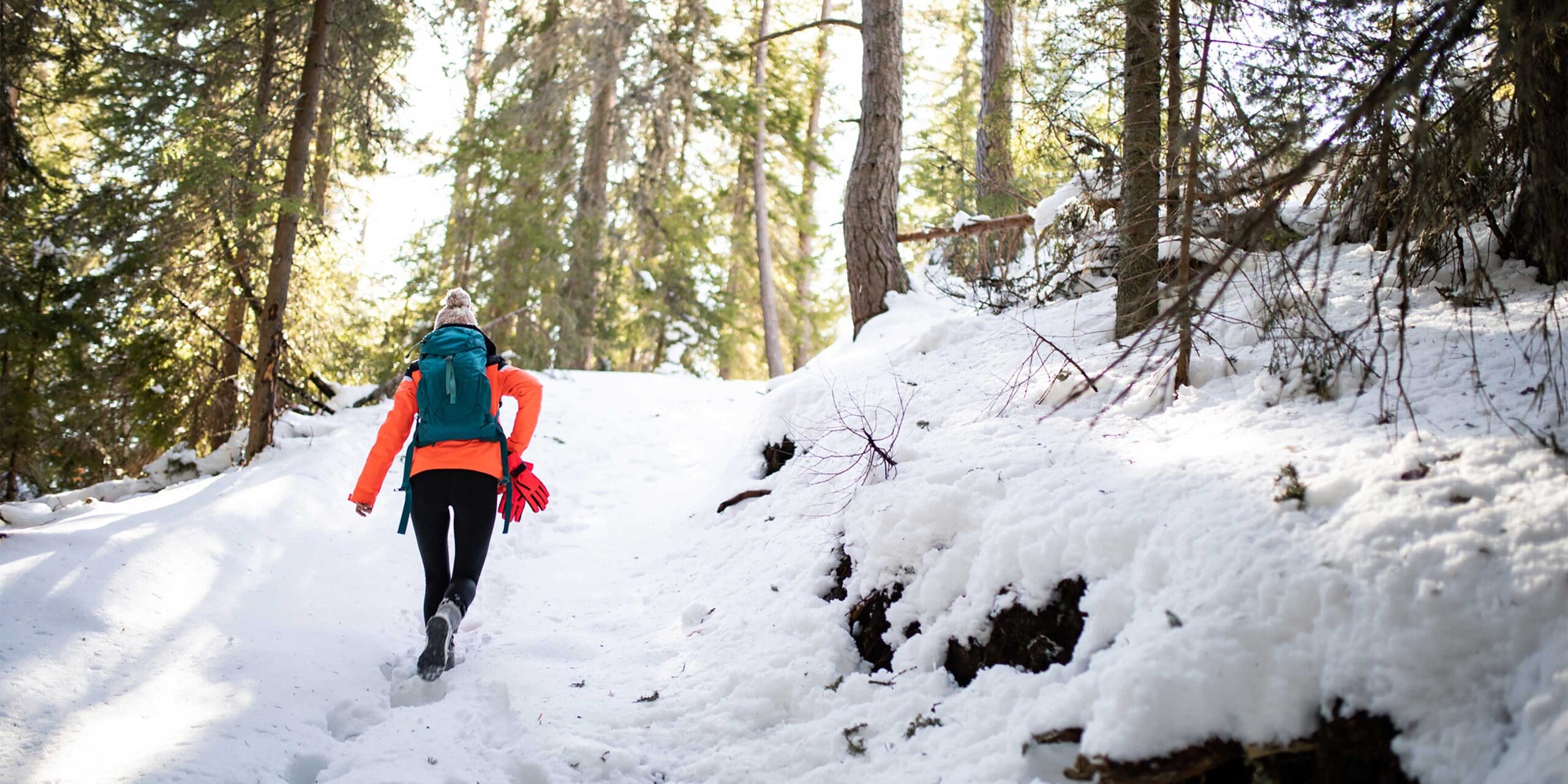
It’s that time of year…the weather is warming up and everyone is itching to get outside. Between the melting snow and rain showers, springtime often means muddy trails—and that means it’s time to hike responsibly! When trails are wet and muddy, hiking etiquette matters to help preserve the trail, prevent erosion, and keep the experience enjoyable for everyone.
Muddy Trail Etiquette:
What You Should (and Shouldn’t) Do
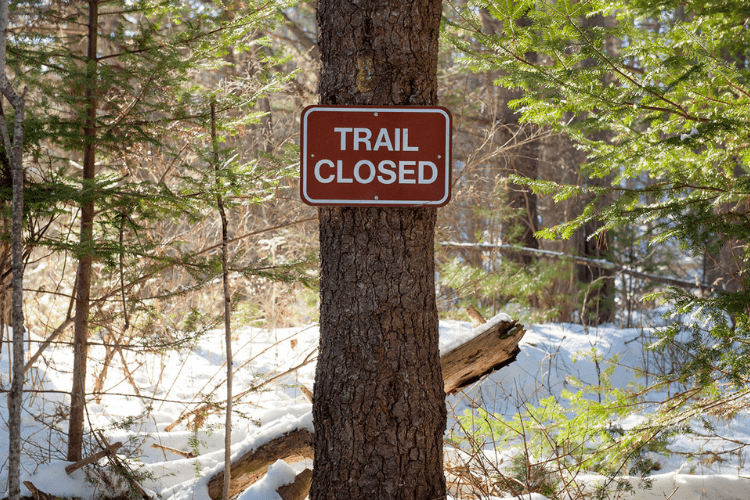
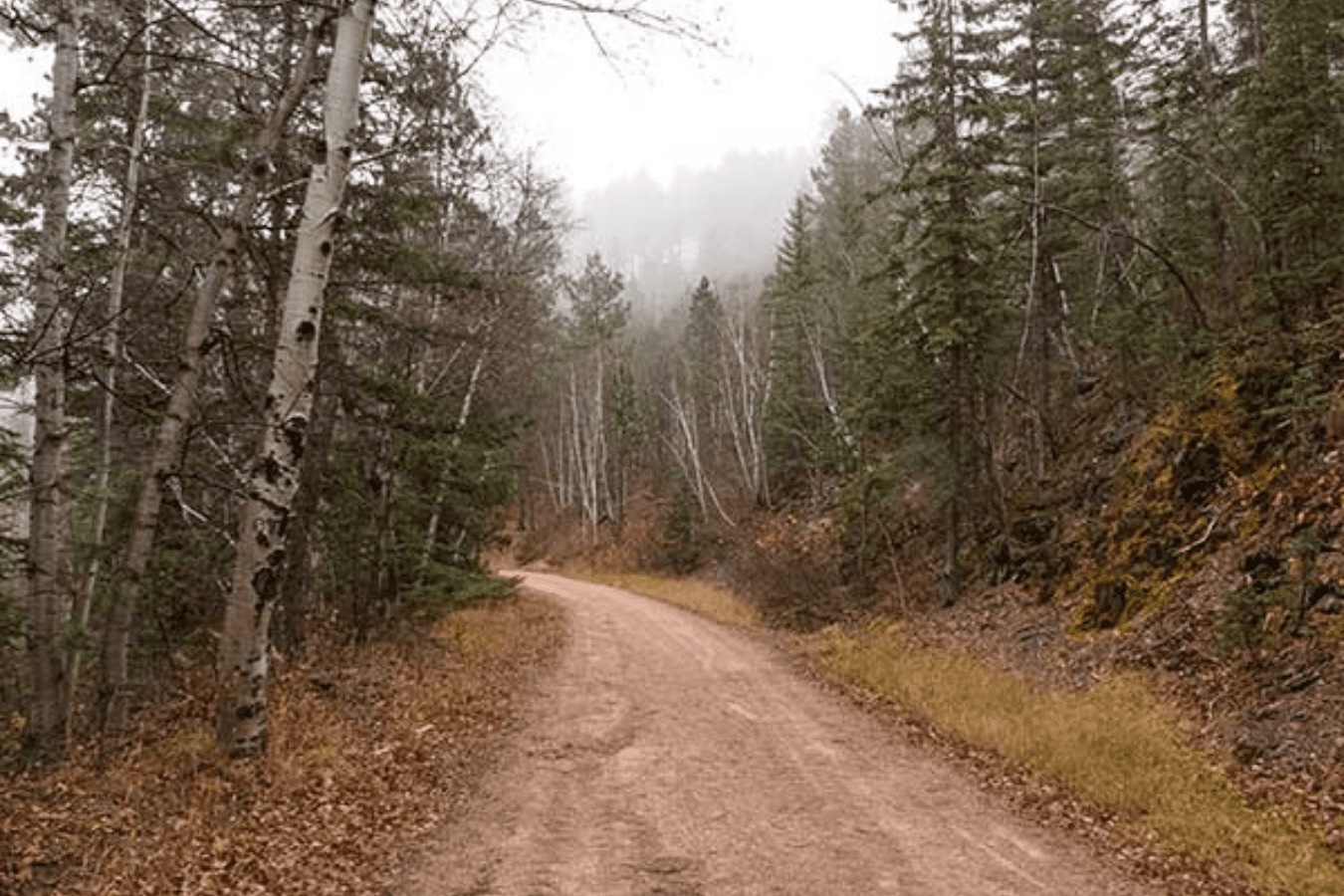
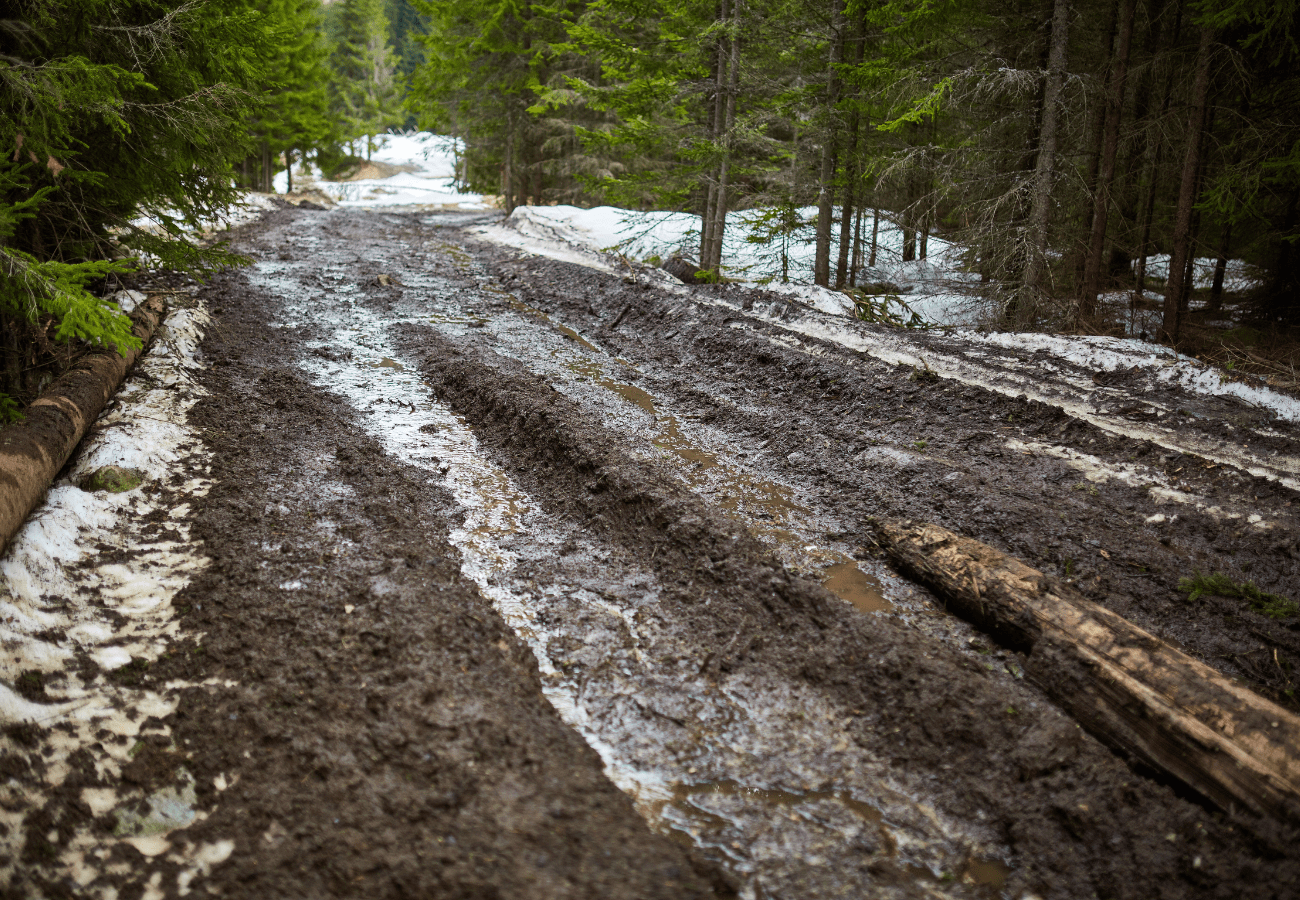
DON’T: Hike on muddy trails or closed trails – If a trail is closed due to muddy conditions, it’s for a reason! Ignoring closures can cause serious trail damage and set back maintenance efforts. Many trails don’t actually ‘close’ but if they are muddy, you should avoid them.
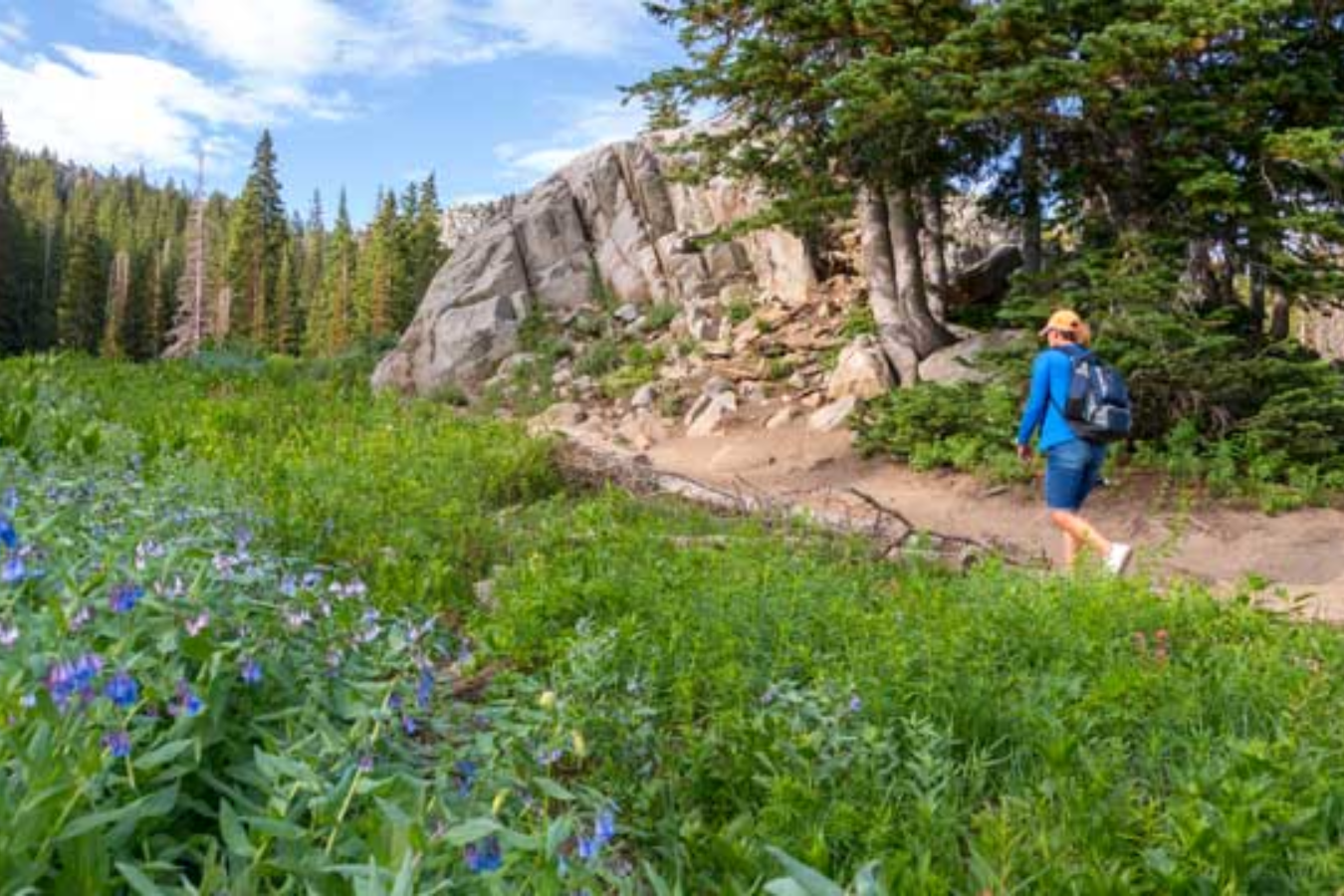
DO: Wait Until the Trail Dries – If you know a trail is prone to excessive mud, consider waiting for a few sunny days to dry things out before heading out.
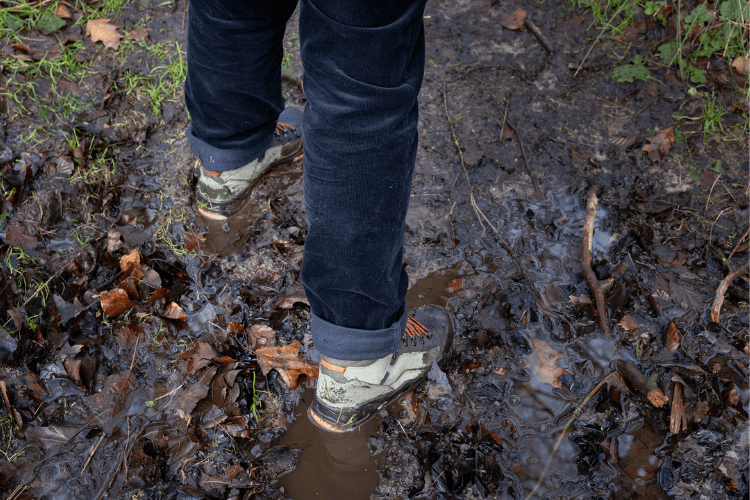
DO: Stick to the Middle of the Trail – Sometimes the trail might be mostly dry but you can come across a wet area or a puddle in the trail. It might be tempting to walk around mud puddles, but doing so widens the trail and damages vegetation. Instead, walk right through the mud—yes, it’s messy, but proper waterproof boots can help!
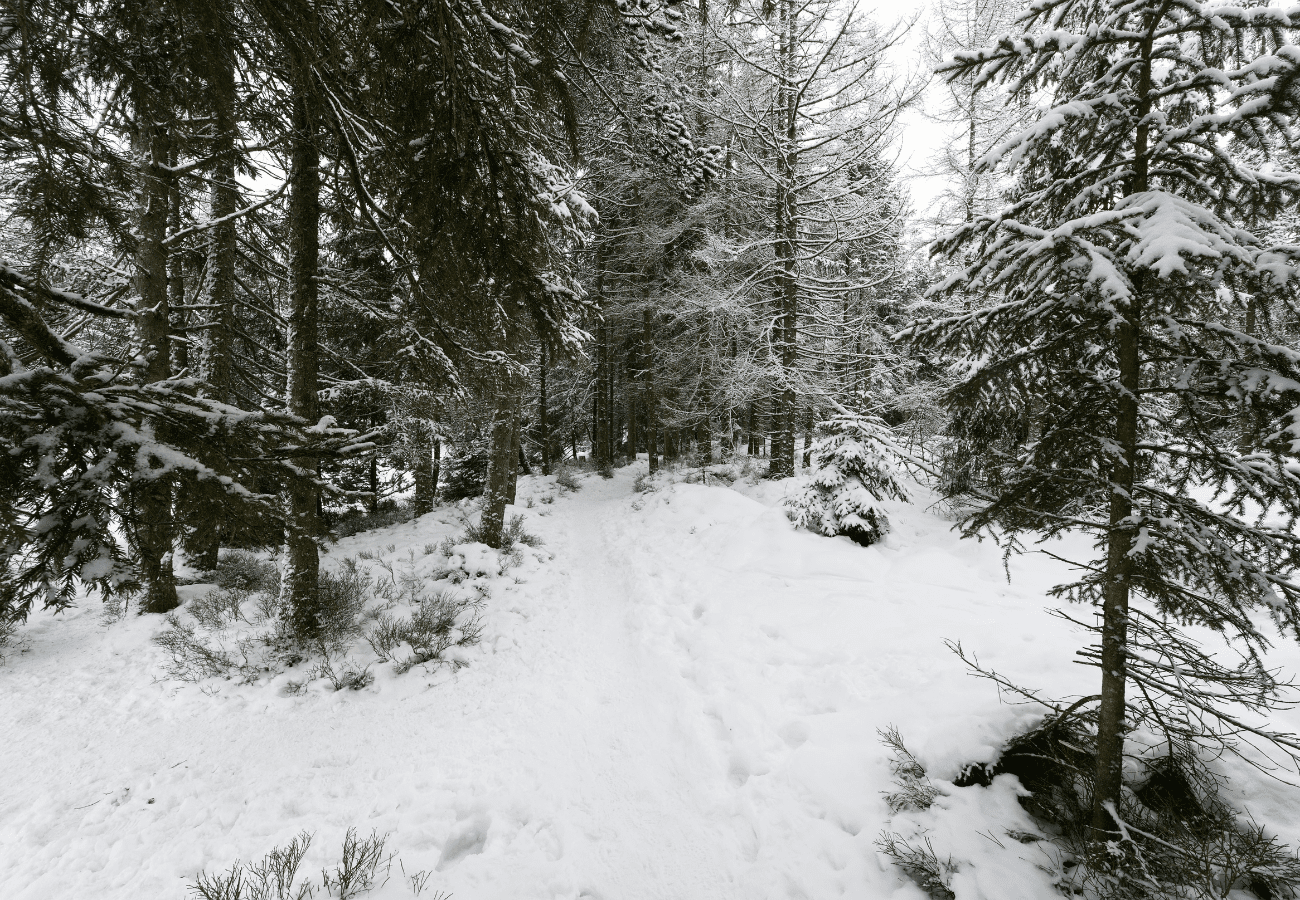
DON’T: Leave Deep Footprints or Tire Tracks – If you’re leaving deep ruts or footprints, the trail is too wet. Ruts can harden as the trail dries, making it unpleasant and unsafe for future hikers and bikers.
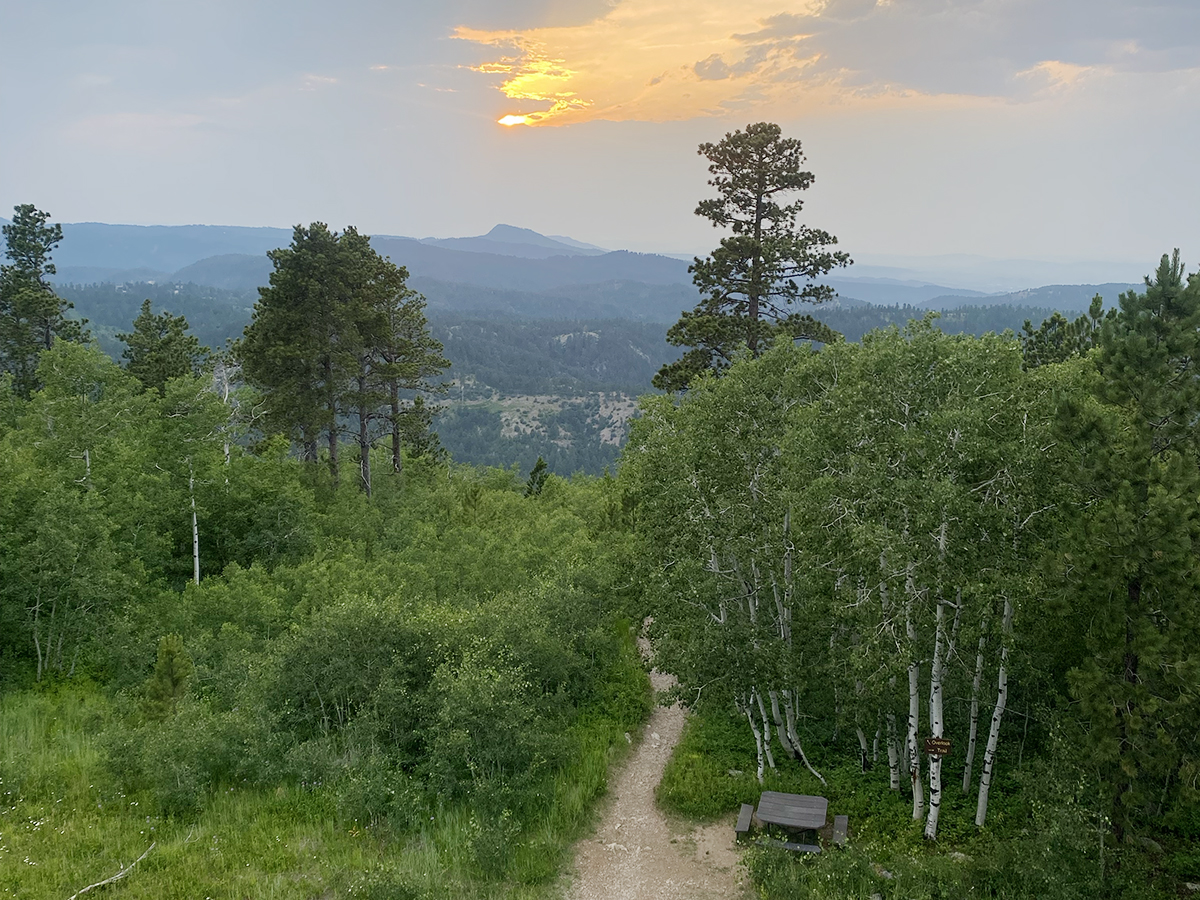
DO: Choose an Alternative Trail – Luckily, the Black Hills has plenty of paved or well-drained trails that are better suited for muddy conditions. It is best to turn around and find an alternate trail if you start a hike and discover it’s muddy. Keep reading for some great options!
Best Trails to Hike When Other Trails Are Muddy
If your favorite dirt trail is too muddy to hike, try these alternative routes that hold up well in wet conditions:
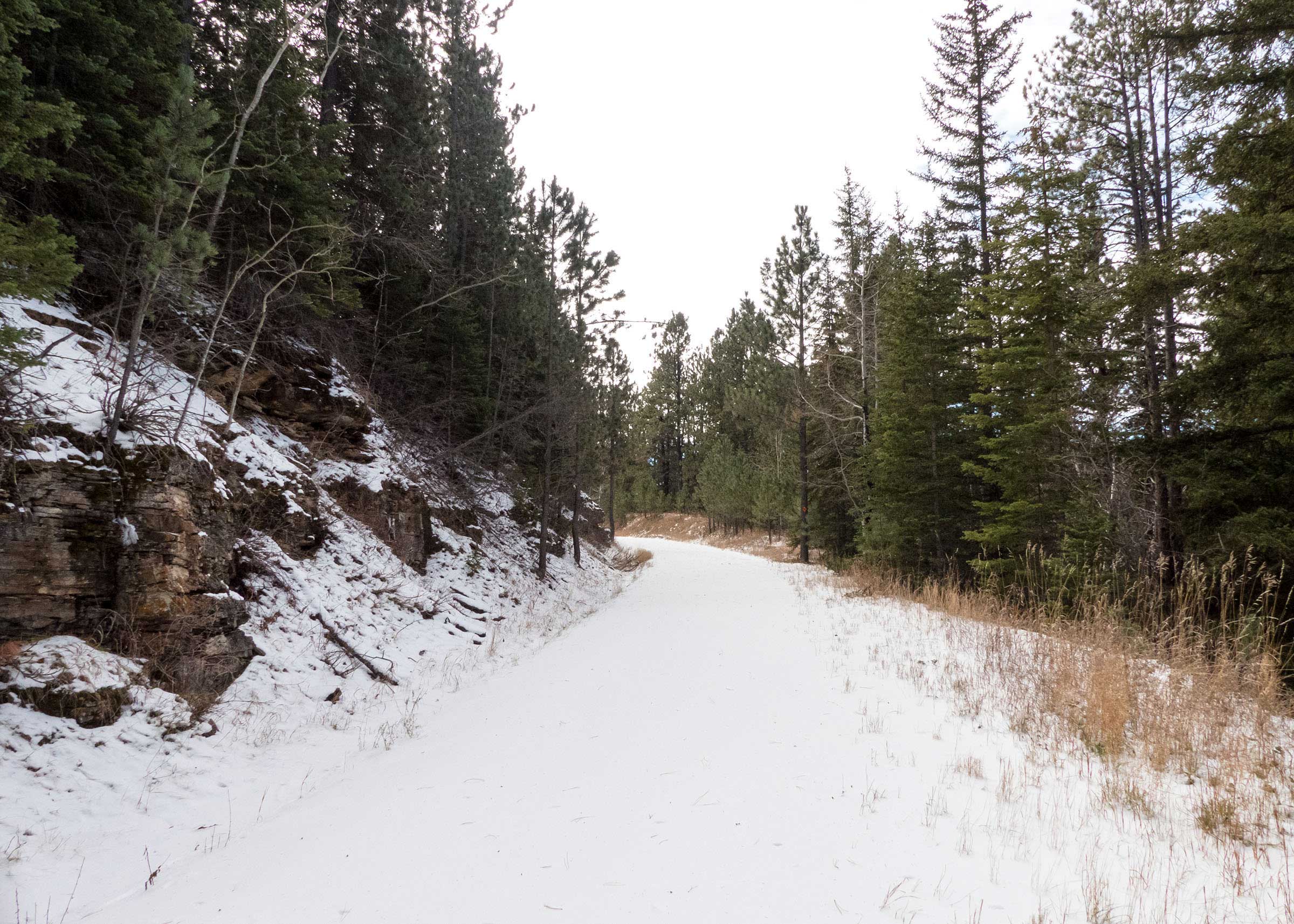
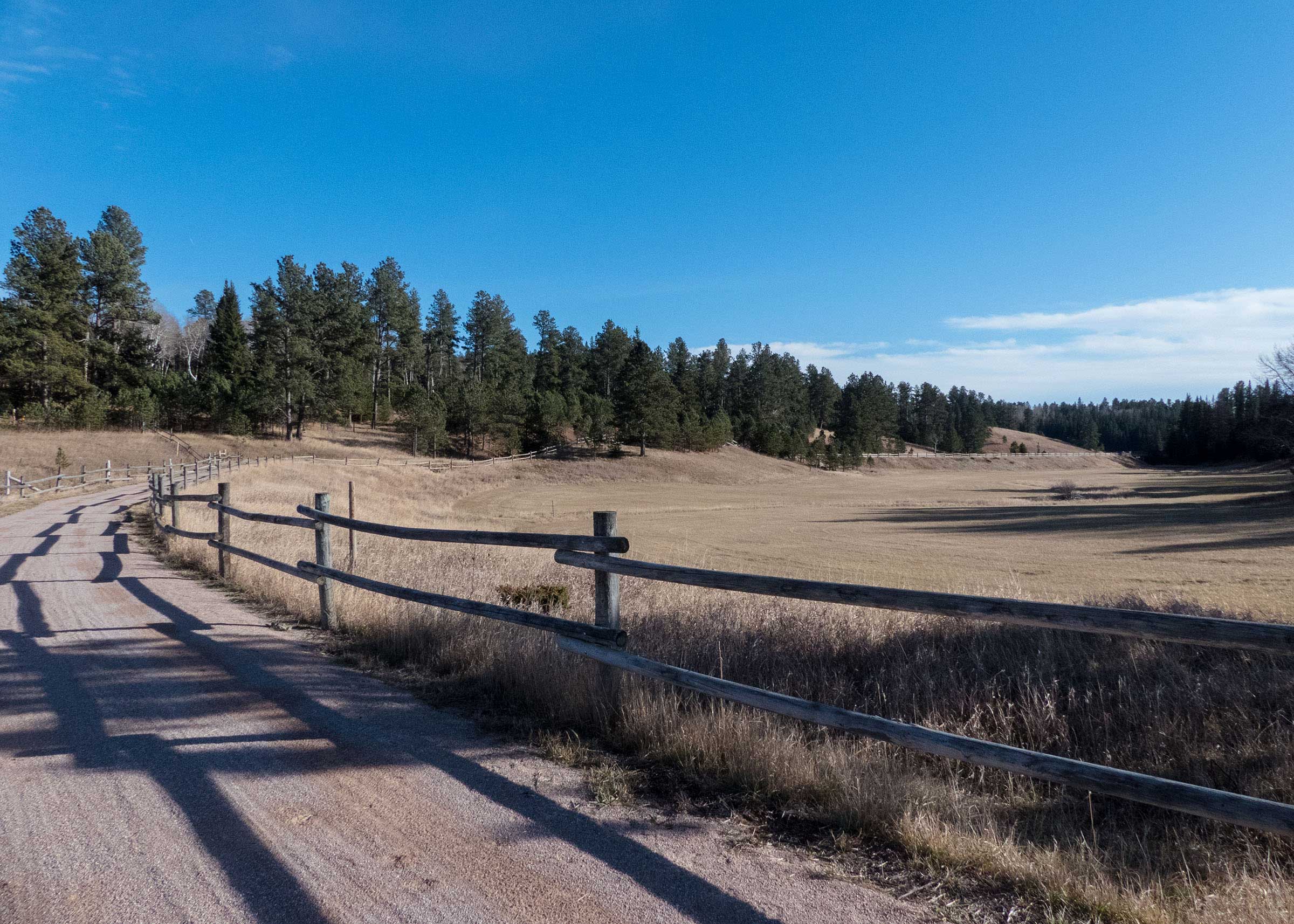
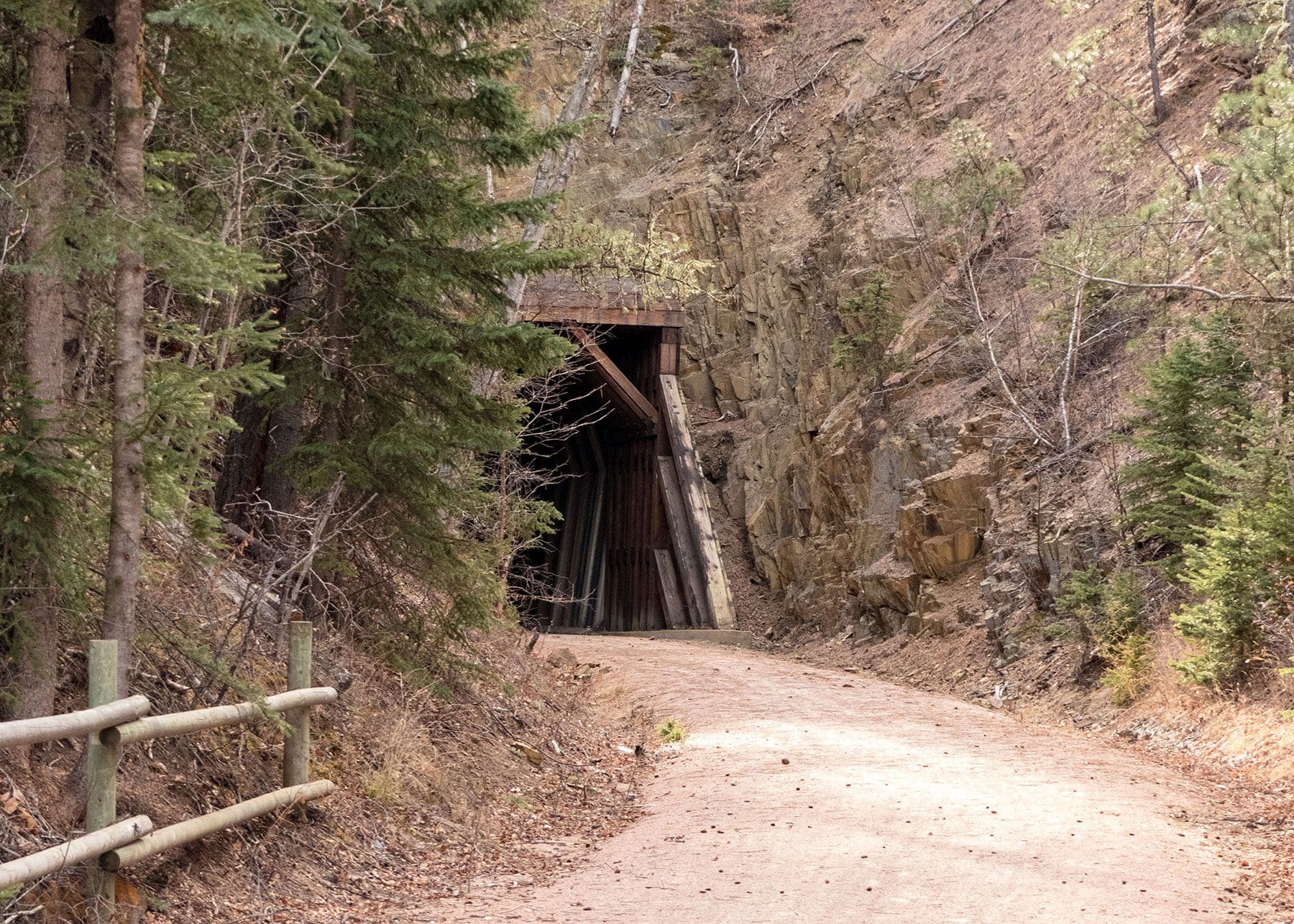
1. Mickelson Trail (Multiple Access Points)
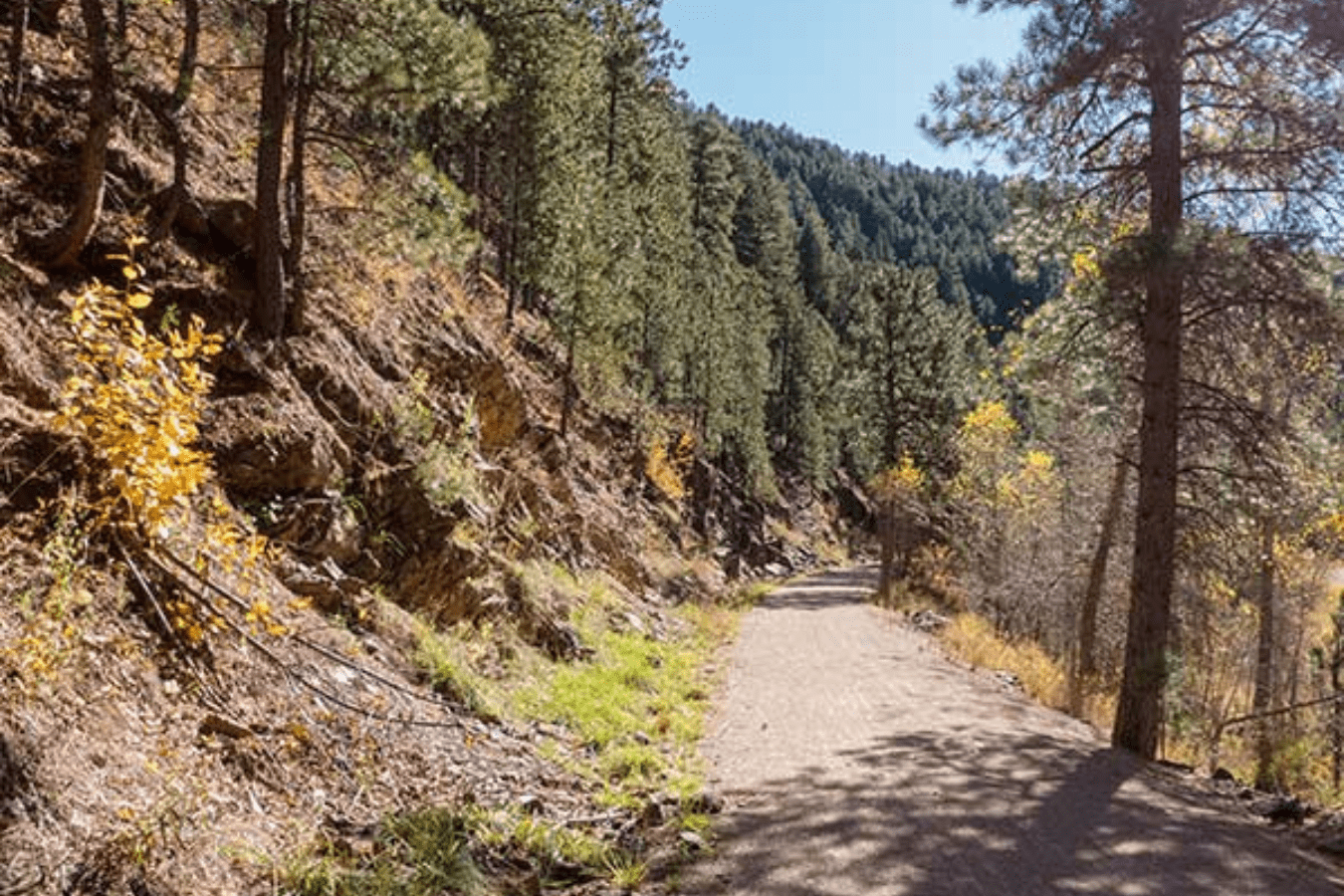
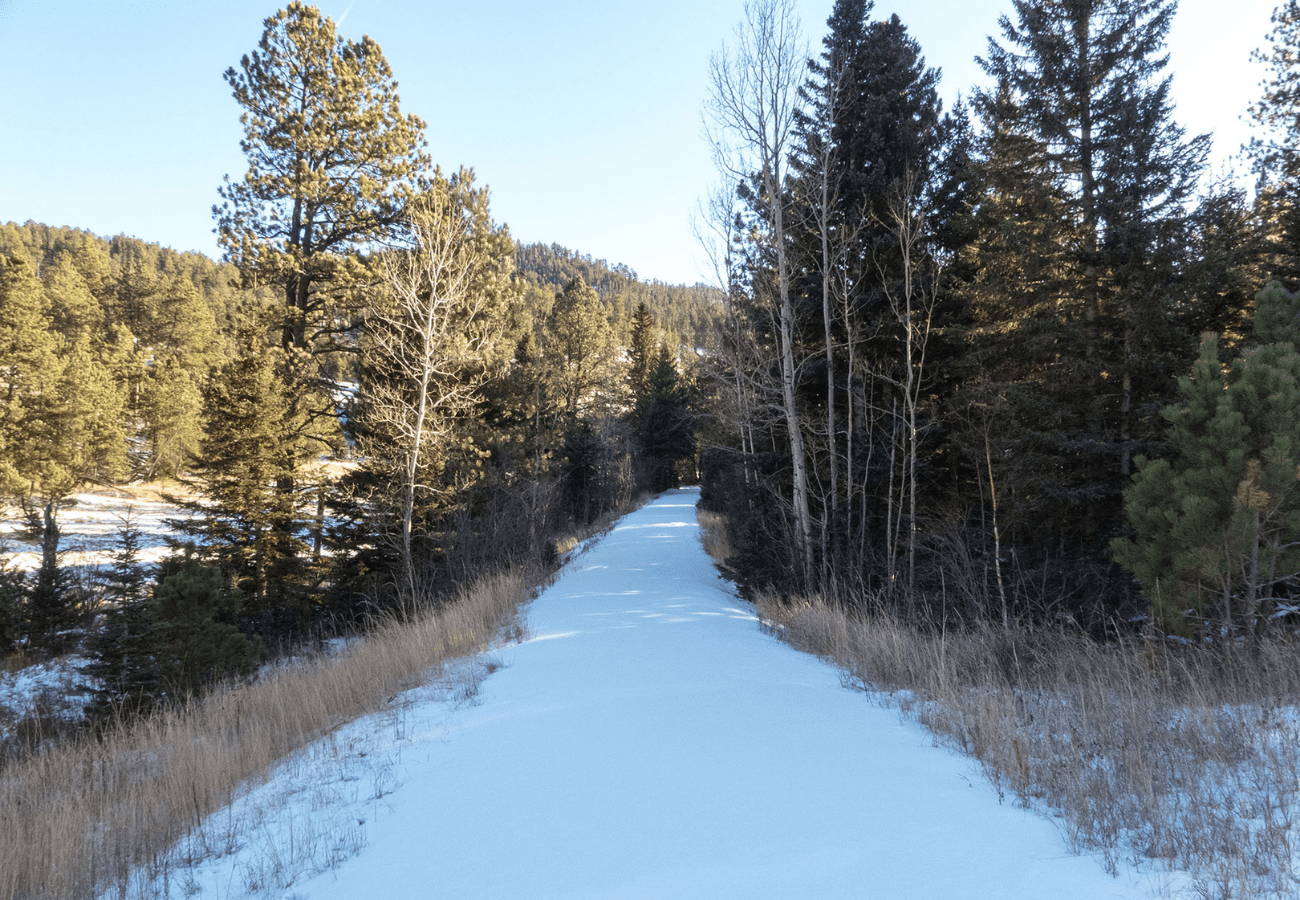
Why it’s a good choice: The crushed limestone surface drains better than dirt trails, making it a great option when conditions are muddy elsewhere.
2. Veterans Point
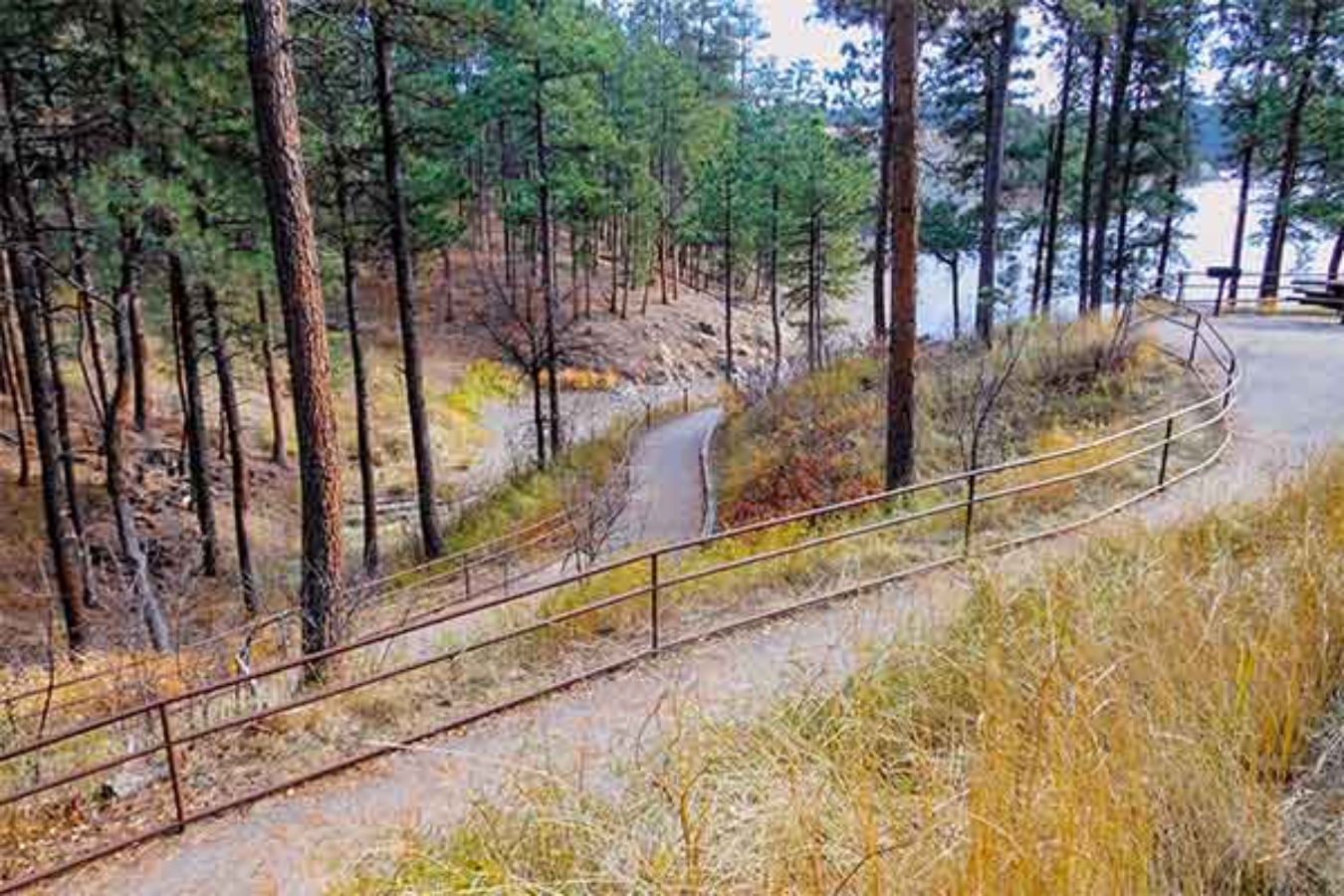
Why its a good choice: Most of the trail is paved so you can enjoy beautiful views of Pactola Reservoir without encountering any mud.
3. Rapid City’s Paved Trail System
Why it’s a good choice: This multi-use bike and walking path follows Rapid Creek, offering easy, scenic walking with no mud.
Good access points:
• Founders Park • Canyon Lake Park
4. Spearfish Recreation Path
Why it’s a good choice: A paved path that follows Spearfish Creek, winding through parks, bridges, and picnic areas.
Good access point:
• Jorgensen Park
5. Creekside Trail - Custer State Park
Why it’s a good choice: This paved trail in Custer State Park follows Grace Coolidge Creek for about 3 miles.
Trailheads:
• Custer State Park Visitor Center • Grace Coolidge Campground
When the weather first starts to warm, picking trails in the hills can be a good choice as they are likely to retain more snow for longer and avoid being muddy. Once the snow melts, you may want to look at those trails that are more on the prairie and not shaded as much (such as those in Wind Cave National Park) as those tend to dry out sooner being exposed to the sun and wind.
Do Your Part to Protect the Trails
Muddy trails may seem like just an inconvenience, but hiking them irresponsibly can cause long-term damage. By choosing alternative hikes when conditions are bad, you’re helping preserve the Black Hills trails for future adventurers.