7 Essential Tips For The Beginning Day Hiker
Hiking is an excellent exercise for the body and the mind. Studies have shown that regular day hiking can improve the immune system, fight against osteoporosis and arthritis, and enhance emotional well-being.
If you are interested in adding hiking to your hobby list, but don’t know where to start, take a look at this list of seven essential tips for the beginning hiker. We will help you learn what to wear for a hike, how to choose the right hike for you, and how to stay safe while on the trail.
Know What to Wear
Comfortable Footwear
You want to make sure your feet are comfortable for the entire trip, or else you will be absolutely miserable. Some hikers prefer boots, while others prefer trail runners that are lower on the ankle. The trail can help you decide on footwear. Usually, trail runners are best on a well-maintained trail, while boots are better for trails that are more rugged. But the most important thing is to pick the shoes that are comfortable on you.
Be sure to break in your shoes before you hike. Wear the shoes to the grocery store, while you mow the lawn, or while you walk around your block. You don’t want to get a blister halfway through the trail.
Dress in Climate-Appropriate Layers
What you wear depends a lot on what the weather is like.
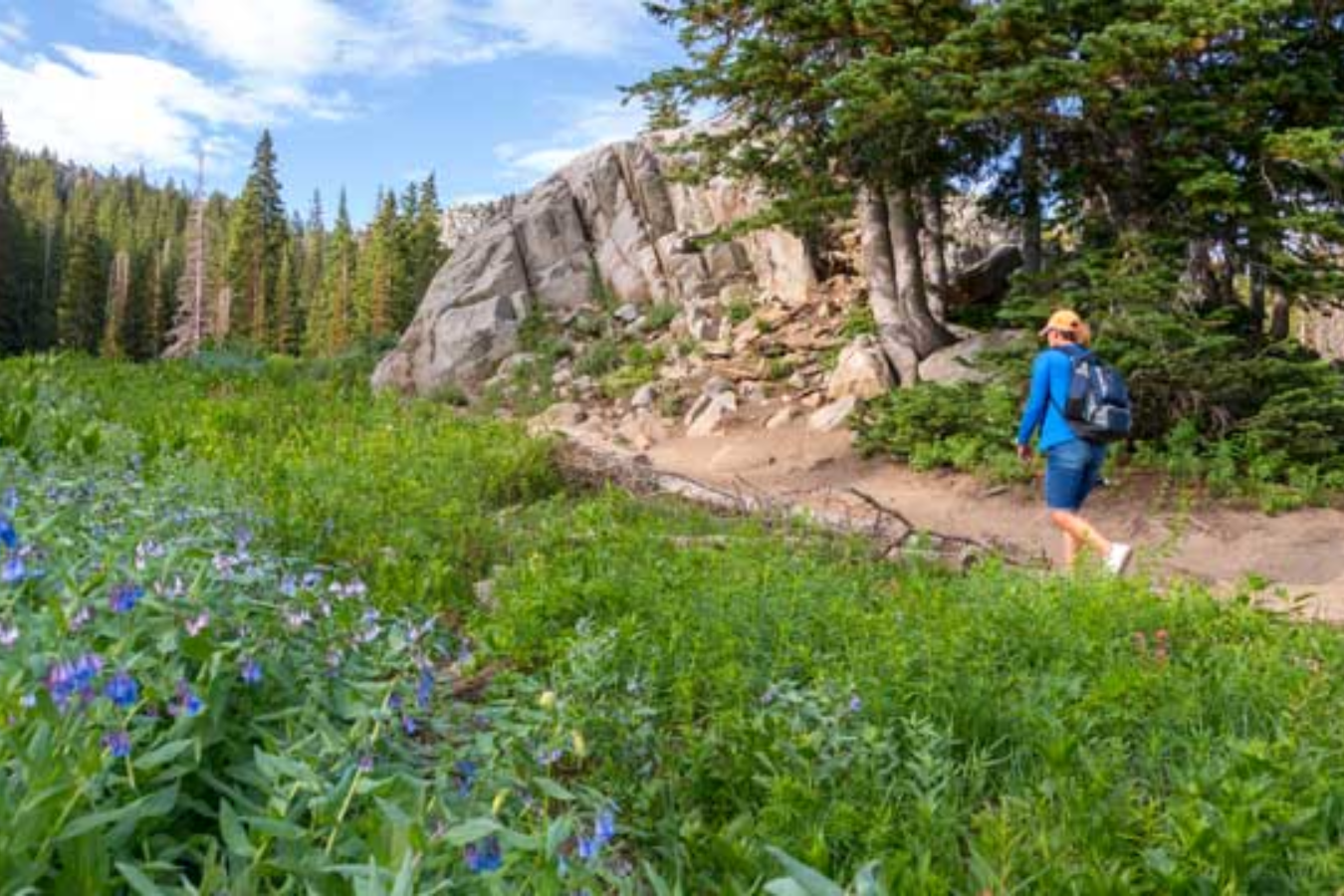
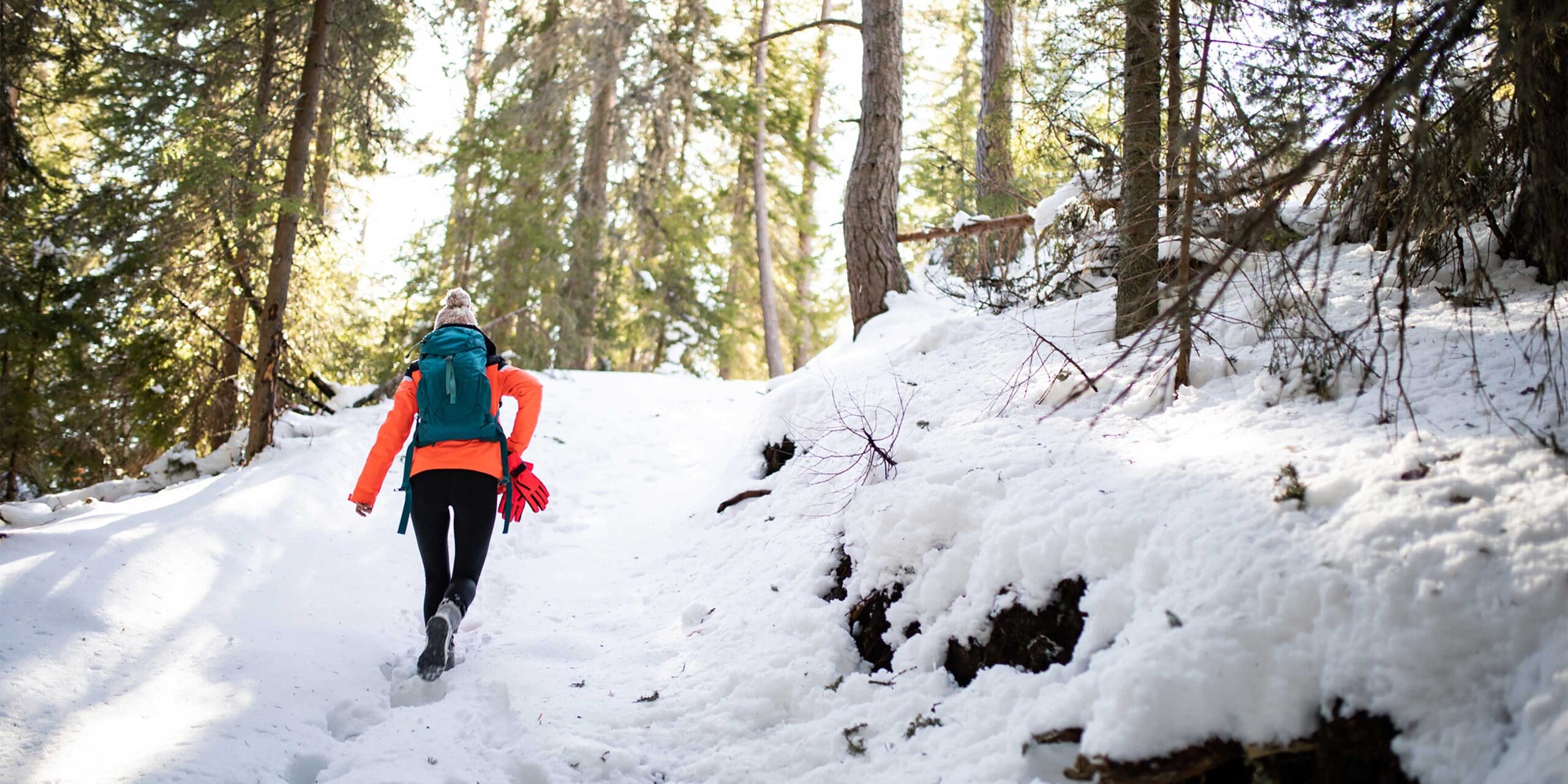
If you are in a cold or wet climate, start with a next-to-skin layer made of wool or polyester, then cover up with a t-shirt. It’s smart to also bring an over layer like a jacket or pullover. If it is expected to rain, bring a waterproof jacket and rain pants. It’s better to shed layers if it gets too warm than to wish you’d worn more on a cold day.
No matter what the weather is like, skip the cotton. Cotton takes a long time to dry which can be uncomfortable and cause chaffing. Because denim is made from cotton, no cotton also means no jeans.
Dress for Protection
Layering up helps to protect the skin from the sun’s rays. But, if you’re hiking on a hot day, you probably don’t want to be dressed in long sleeves and pants. Be sure to wear sunblock on any exposed areas of the skin. Also, don’t forget your hat and your sunglasses to protect your scalp and eyes.
The 10 Essentials:
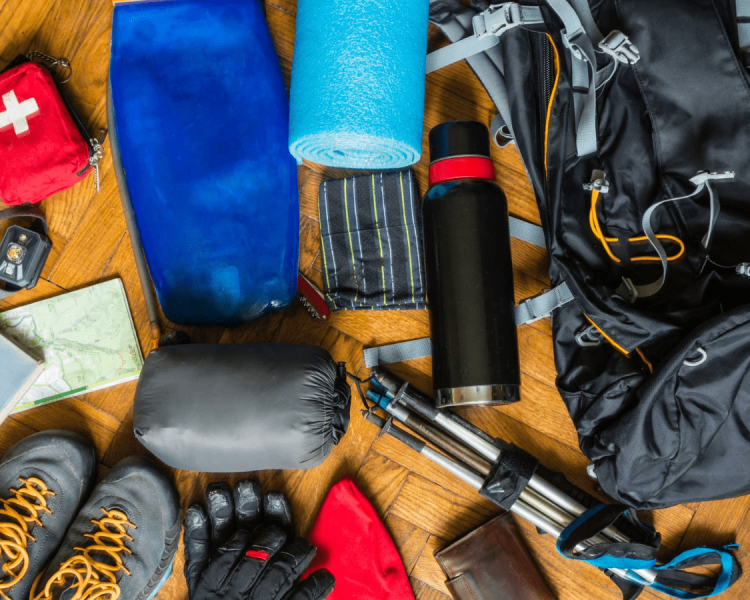
In the hiking community, there is a well-known list called The 10 Essentials. This is a list of 10 key items you should bring on your everyday hike, as well as more treacherous trips.
- Sun protection (hat, sunglasses, and sunscreen)
- First-aid supplies (pick a kit that is portable and lightweight)
- Navigation (map, GPS, compass)
- Extra clothes (a jacket and an extra pair of socks are a good start)
- Fire (in case of emergency, bring a lighter or waterproof matches)
- Illumination (flashlight or headlamp)
- Lots of water (like, more than you think you need)
- Extra energizing snacks (also more than you think you’ll need)
- Mini repair kit (including a knife and duct tape)
- Emergency Shelter (a space blanket or a large trash bag could work)
And, of course, a backpack to keep everything inside. Some of these items you may not need for a typical day hike. For instance, you may not need a GPS for a well-marked trail near or within your home town. But most of these items are in-case-of-emergency, which means it’s better to bring them and not need them than to leave something behind and not have it when you need it most.
Plan in Advance
Hiking can be a dangerous activity if you don’t know what you’re getting into. Exhaustion, overheating, and dehydration are all real things that can lead to scary medical emergencies. So, it is important to choose a trail that suits your capabilities.
There are a ton of resources available online (including TrailAdict.com) to help you pick the right trail for your trek. Many of these resources label trails with difficulty, distance, and elevation levels. Choose an easy trail with great reviews to start out and then assess if this level is right for you.
To determine how long a hike might take, estimate about an hour for every two-miles, then add an hour for every 1,000 feet of elevation gain.
Be sure to always check the weather before you leave to help you dress accordingly. And start as early as possible. Not only do early hikers beat the crowds, but they also avoid the hottest part of the day.
Take Care of Your Body
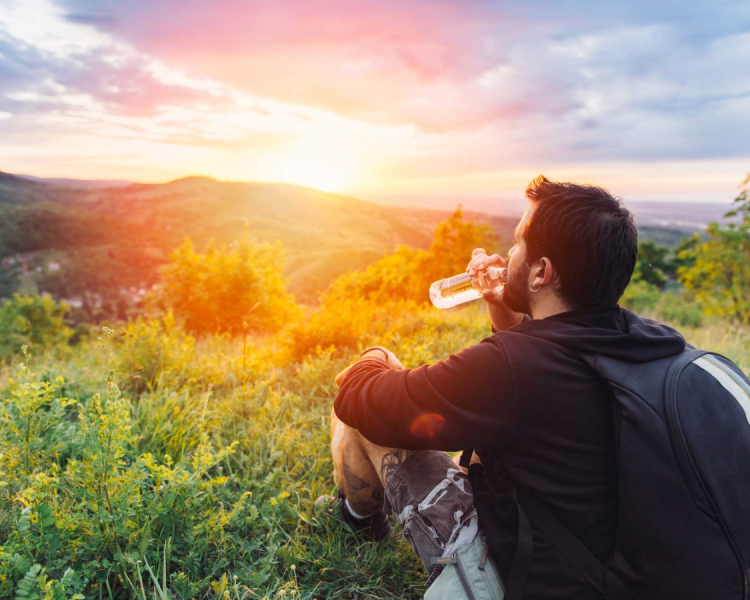
Hydration is important to keep your body safe. When hiking in the heat you can lose more than two liters of water per hour through your sweat. Even if the weather is cool, you’re likely still going to sweat once you get your blood pumping. This is why it’s also super important to rebalance your electrolytes. Bring lots of water and a sports drink to sip during your hike.
Hiking burns energy, so you’ll want to bring snacks to keep your energy levels high. Be sure to pack snacks that are salty and have complex carbs, like nuts or trail mix. The salt will help restore sodium levels in your bloodstream and the complex carbs will be easier on your stomach and give you a longer energy boost than sugary snacks.
Its ok to take a break if your body needs it. Remember, you’re new at this. Don’t overwork your body by not resting when it tells you to. As you get more experience on the trail, you will learn what pace is right for your body to remain consistently moving.
Be Prepared for Emergencies
Inexperienced hikers may not know how, or may forget, to protect their bodies from common hiking emergencies. Heatstroke and hyponatremia can happen to anyone, so be sure you know what to do if this happens to you or someone in your party.
Signs of Heatstroke
- Dizziness
- Muscle cramps
- Headache
- Nausea
- Disorientation or confusion
- Lack of sweating in the heat
If you think that you or someone in your hiking party is suffering from heatstroke, find shade right away to start cooling down. Make a plan to get off the trail and seek medical attention.
Heatstroke is more common on warmer days. To avoid heatstroke, pick a trail with lots of shade and keep out of the sun as much as possible. Sip plenty of water throughout the duration of your hike, and keep your electrolytes replenished. Don’t be afraid to take a break if you start feeling too hot or exhausted.
Signs of Hyponatremia
- Nausea and vomiting
- Headache
- Confusion
- Loss of energy, drowsiness, and fatigue
- Restlessness and irritability
- Muscle weakness, spasms or cramps
- Seizures
- Coma
Hyponatremia can occur when hikers drink too much water without replenishing the electrolytes. To avoid hyponatremia, make sure to take lots of sips of water periodically throughout your hike, rather than large gulps. Drink a sports drink or mix electrolyte powder with your water to help replenish your electrolytes.
While hiking alone can be a very peaceful and relaxing activity, solo hikes are not advised for beginners. Make sure you bring a buddy with you to help in case of an emergency. Also, let someone who is not hiking with you know which trail you are going to be on and when you expect to be back.
Know the Local Wildlife
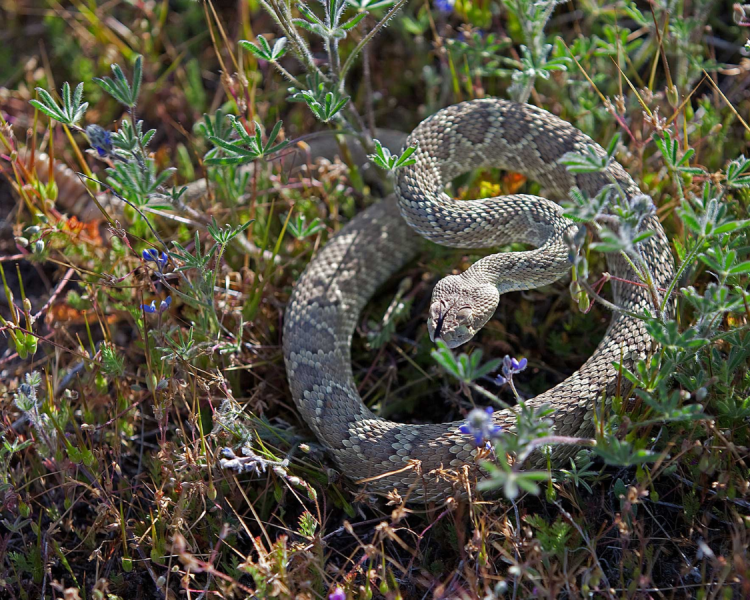
You’ve probably already heard that most animals are more afraid of you than you are of them. Still, it is better to take precautions. Do some research on the wildlife common on your trail of choice so you can be prepared for what you might run into. For instance, if you’re hiking in the desert, you may want to wear high top boots, avoid sticking your hands in holes, and listen for the sound of rattles.

Leave No Trace
This one is common trail etiquette. If you pack it in, you need to also pack it out. Help keep the trails clean, beautiful, and enjoyable for everyone. For information, visit www.lnt.org.